The third round of US-Iran face-to-face talks in Islamabad ended without an agreement early Sunday after 21 hours of negotiations, with US Vice President JD Vance declaring that Iran refused to commit to not developing nuclear weapons.
“The simple fact is that we need to see an affirmative commitment that they will not seek a nuclear weapon,” Vance told reporters, adding he had been in constant contact with President Trump throughout the marathon session.
The US delegation was led by Vance alongside special envoy Steve Witkoff and Jared Kushner. Iran was represented by Parliamentary Speaker Mohammad Baqer Qalibaf and Foreign Minister Abbas Araqchi. Pakistan’s mediating role — remarkable for a nation that was a diplomatic outcast only a year ago — has facilitated the highest-level direct US-Iran contact since the 1979 Islamic Revolution.
Iran’s government said the talks “concluded” with “some remaining differences” and that technical experts from both sides would exchange documents. Iranian state television reported talks could resume Sunday.
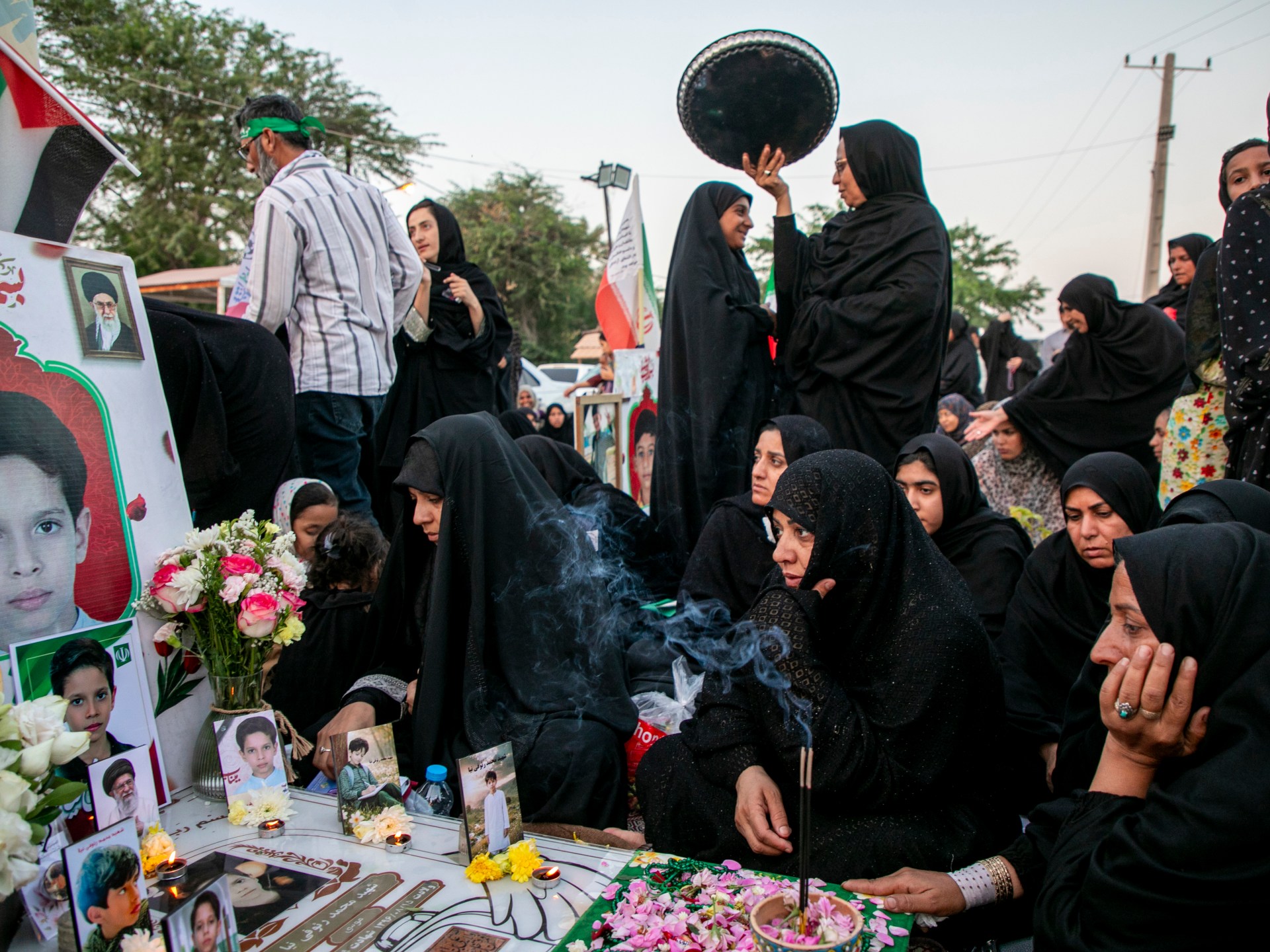
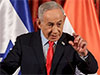
Separately, Israeli Prime Minister Benjamin Netanyahu declared in a video statement that the “campaign against Iran is not yet over,” claiming “historic achievements” in foiling Iran’s nuclear ambitions. The war has now killed at least 3,000 in Iran and 2,020 in Lebanon.
The Strait of Hormuz remains effectively blocked, keeping global energy markets under severe pressure. The US Navy’s recent Hormuz transit with mine-clearing operations offered a brief signal of reopening, but the talks collapse puts that prospect in doubt.
Iran’s delegation presented “red lines” including compensation for US-Israeli strikes and the release of frozen assets. The nuclear sticking point — Iran’s refusal to foreswear weapons development — transforms what began as a ceasefire negotiation into a broader non-proliferation standoff with no clear resolution path.
For Sri Lanka, the continued Hormuz blockade means the country’s fuel supply crisis and energy rationing will persist well beyond the original two-week ceasefire window.