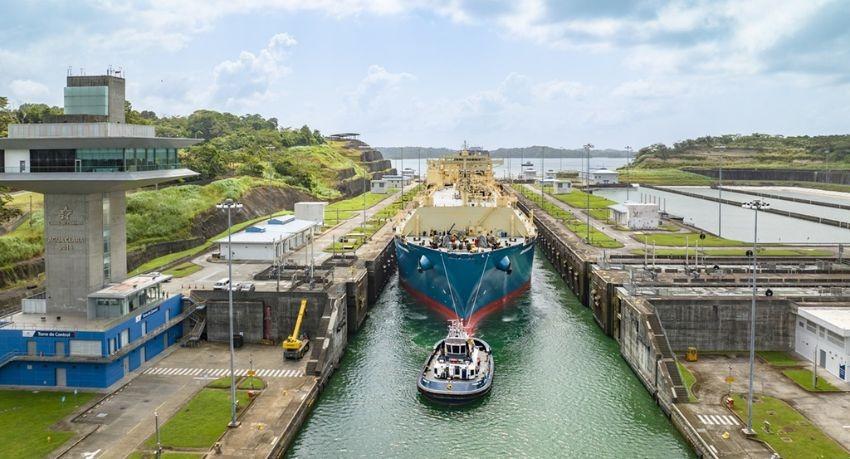
Last-minute transit bids through the Panama Canal have surged past USD 4 million for a single liquefied natural gas vessel and over USD 3 million for oil tankers, as the closure of the Strait of Hormuz forces Asian refiners to rework their supply routes, the Panama Canal Authority has disclosed.
Past average auction prices between October and February stood at around USD 130,000 before rising to USD 385,000 in March and April, an AFP report carried by NewsFirst said. The recent auction included a USD 4 million bid for an LNG vessel, with two oil tankers exceeding USD 3 million in recent weeks.
The surge in premium payments followed the US-Israeli strikes on Iran that began on February 28, which triggered the blockade of the Strait of Hormuz — the waterway through which roughly one-fifth of the world’s oil and natural gas exports pass. To meet fuel demand, Asian refineries are increasingly choosing to buy oil and gas from the United States and ship it through the Panama Canal instead of relying on Gulf suppliers that depend on Hormuz.
Average daily transits remained strong through the disruption, the canal authority told AFP. The count rose from 34 ships per day in January to 37 in March, with some days exceeding 40 transits. In the first half of the 2026 fiscal year (October to March), 6,288 vessels moved through the canal, up 3.7 percent year on year.
Approximately five percent of global maritime trade passes through the Panama Canal, with the United States and China its principal users. Ships without advance bookings wait an average of five days to transit.
For Sri Lanka, the rerouting of global shipping through Panama rather than the Suez and Hormuz corridors lengthens voyage times and raises freight rates on imports from North America and East Asia. The increased costs compound the Hormuz-related insurance premiums already being passed through to fuel, food and consumer goods landing at Colombo.