The Ministry of Digital Economy plans to transition Sri Lanka’s public service away from a “person-based” model to a “system-based” delivery framework built on digitisation, the ministry said in a statement after a high-level meeting on Thursday.
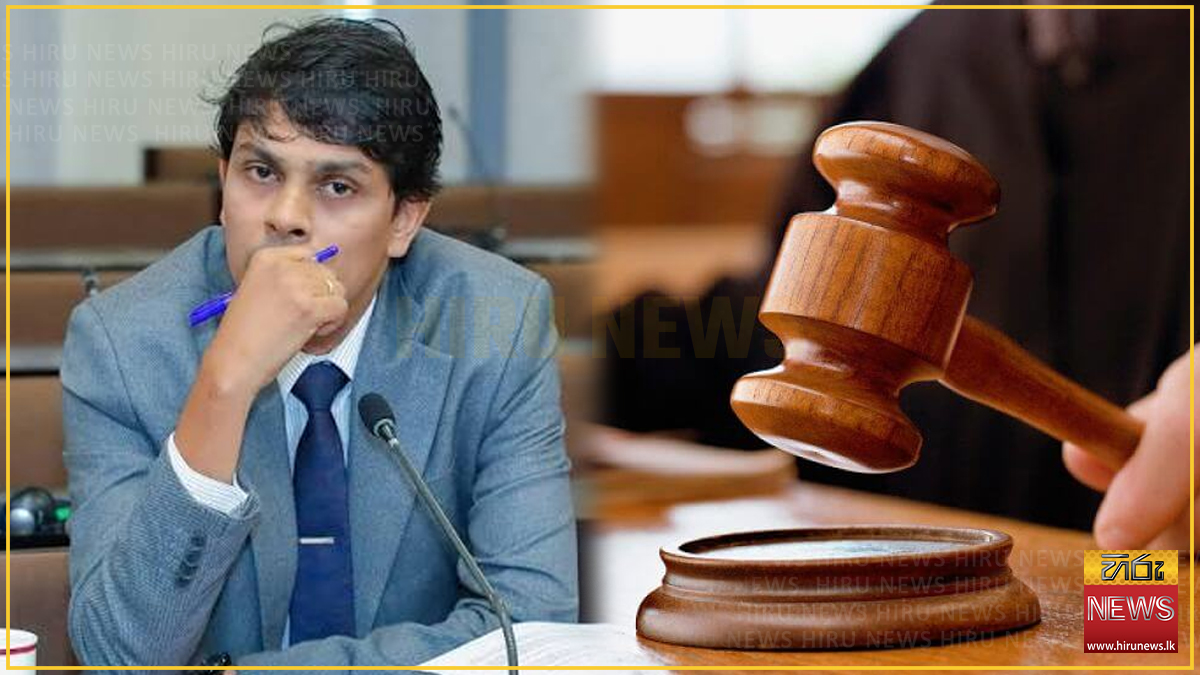
Deputy Minister of Digital Economy Eranga Weeraratne and Deputy Minister of Provincial Councils and Local Government Ruwan Senarath co-chaired the discussion, which centred on cutting service delays, building institutional capacity and equipping officers to keep pace with global technology shifts.
“During the discussion, strong emphasis was placed on the necessity of transforming the public service from a traditional ‘person-based’ methodology to a modern ‘system-based’ approach,” the ministry said. Priority tasks identified include overcoming “technological anxiety” among senior officials, fostering an interest in digital skills and giving officers cyber security training to prevent breaches caused by staff ignorance.
Rather than mass classroom retraining of hundreds of thousands of public servants, the ministry will conduct a technical evaluation of an e-learning platform delivering content through 2-3 minute video clips on mobile phones — a micro-learning approach. Completion of these digital literacy courses is to become a mandatory requirement under annual performance appraisals and promotions for public officers.
Computer laboratories in government offices and schools will be opened for training after 4:30 PM, and the system will introduce gamified badges and digitally signed certificates to track progress.
The roll-out is structured under a three-tier plan: retraining current officers by professional level (executive, middle management and others); recruiting new entrants exclusively as digitally certified individuals; and reshaping school and university curricula to align with the digital economy.
The framing builds on the digital economy remote public services guidelines already issued and dovetails with the Aswesuma digital overhaul being run by the Finance Ministry.
Source: EconomyNext.