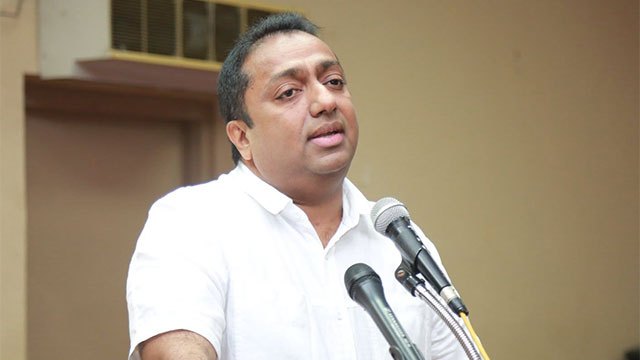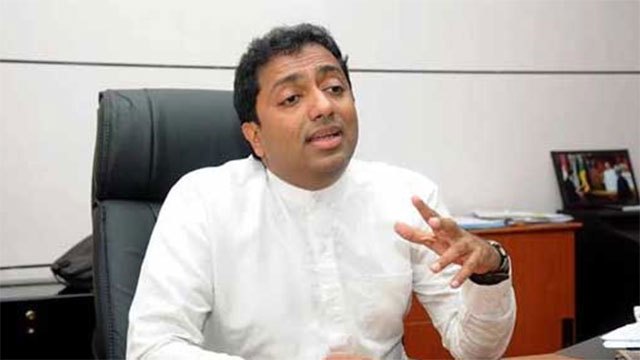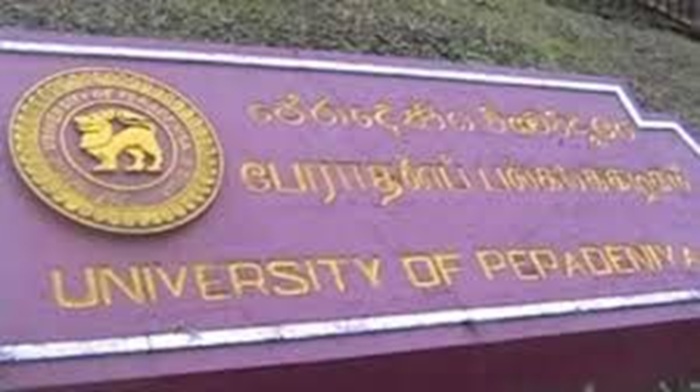
The Supreme Court has barred Professor W.M. Thilakaratne, a former senior academic at the University of Peradeniya, from holding any future paid, unpaid or honorary post at universities or academic institutions in Sri Lanka, citing university disciplinary findings of sexual harassment.
The ruling, delivered on 8 May 2026 by Justices Janak De Silva, Achala Wengappuli and K. Priyantha Fernando in SC/FR Application No. 81/2021, is the first of its kind imposed on a Sri Lankan academic over harassment findings.
The petition was filed by Dr W.A.M. Udari L. Abeyasinghe, a dental surgeon and senior lecturer at the Faculty of Dental Science at Peradeniya. The incidents occurred while she served as an Assistant Lecturer under Prof. Thilakaratne’s supervision, who was also her M.Phil co-supervisor. Her mother lodged a complaint with the Vice Chancellor in July 2018, alleging sexual harassment and emotional abuse between July 2017 and April 2018.
A Formal Inquiry Committee conducted hearings from July to September 2019 and found the professor guilty of cyber stalking, frequent hugging and touching despite objections, causing severe emotional distress, violating the university’s sexual harassment policy, and bringing the university into disrepute.
The University Council, however, rejected the disciplinary findings, citing delays in the complaint, and declined to act. The petitioner escalated to the University Grants Commission, then to the Human Rights Commission, before filing the Fundamental Rights application in March 2021.
The Court upheld a preliminary objection that the petition had been filed outside the constitutional time limit. Despite this, Justice De Silva held that the Court retained powers under its “just and equitable jurisdiction” to issue directions in the public interest, noting the seriousness of the findings and that the professor had never sought to invalidate them.
The Court directed the UGC to instruct all universities and institutions under its purview not to offer Prof. Thilakaratne any appointment. Peradeniya was also told to strengthen enforcement of its sexual and gender-based harassment policies, including mandatory annual seminars for staff and students.
The judgment cited Sri Lanka’s obligations under the Convention on the Elimination of All Forms of Discrimination Against Women (CEDAW), stressing that workplace harassment undermines equality in employment.