Sri Lanka’s foreign exchange revenue from tourism nosedived 38.8 percent year-on-year in April 2026 to US$157.1 million, the Central Bank said on Sunday, citing Sri Lanka Tourism Development Authority data, as the prolonged Middle East crisis continued to suppress long-haul arrivals and Gulf-transiting tourists.
The April decline follows a 37 percent fall in March, the first full month after US and Israeli strikes on Iran began on February 28. Together, tourism revenue in the first four months of 2026 fell 19.4 percent to US$1.11 billion, compared with US$1.38 billion in the same period last year.
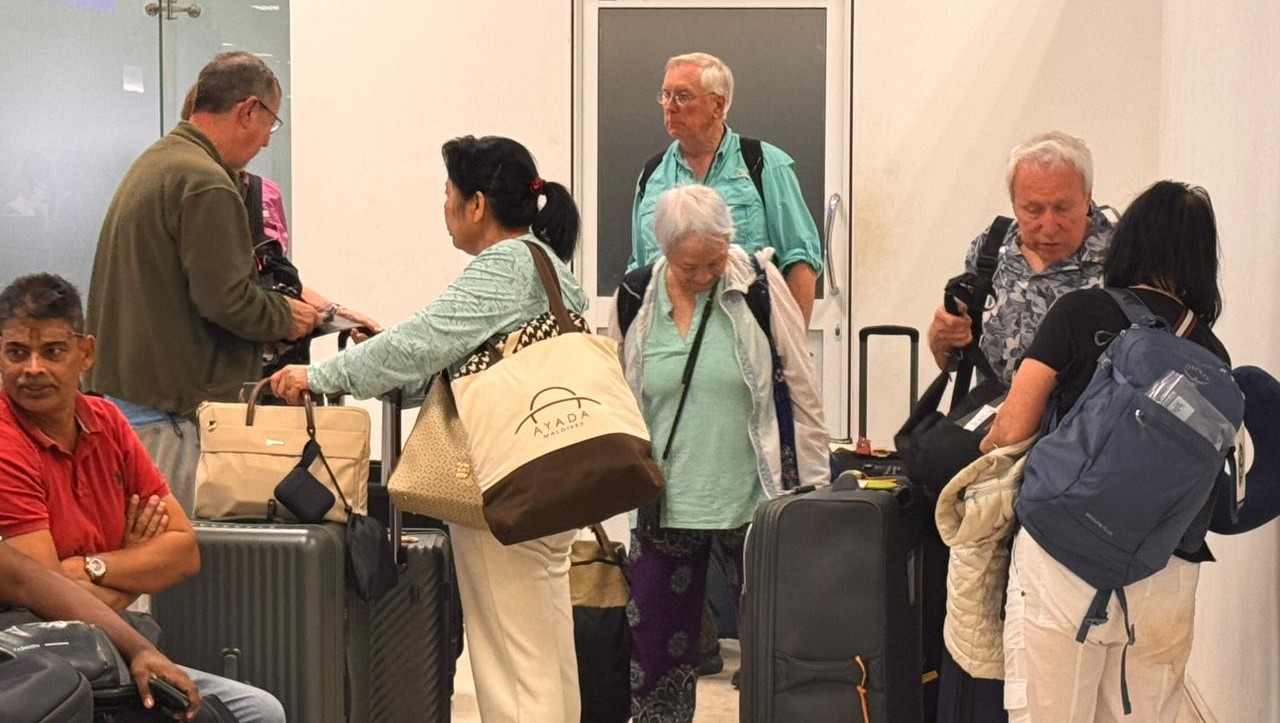
The monthly figure has now declined in eight of the past 10 months, falling marginally in July and August before two brief upticks. April’s drop tracked a 22.3 percent fall in arrivals to 135,643 despite the month coinciding with peak Western and Gulf travel windows around Easter and Eid al-Fitr.
Tourism revenue currently accounts for nearly 3 percent of Sri Lanka’s economy, well below its 2018 peak of close to 5 percent. The sector has been battered in succession by the 2019 Easter Sunday attacks, the Covid-19 pandemic, the 2022 economic crisis, and now the regional war that has disrupted European long-haul connectivity through Dubai, Doha and Abu Dhabi.
The earnings figure is estimated by the SLTDA from a tourist survey. After a fresh survey, the authority revised average daily spending per visitor down from US$171 to US$148 from August 2025 onwards — a recalibration that has held earnings below the pace of arrivals since.
Sri Lanka had set an ambitious target of 3 million arrivals and US$4 billion in tourism revenue for 2026. The country earned a record US$3.22 billion from 2.36 million arrivals in 2025, a 1.6 percent revenue increase on the prior year. With four months gone and earnings tracking at roughly a third of the annual goal, both the arrivals and revenue targets now appear materially out of reach unless the Middle East front de-escalates.