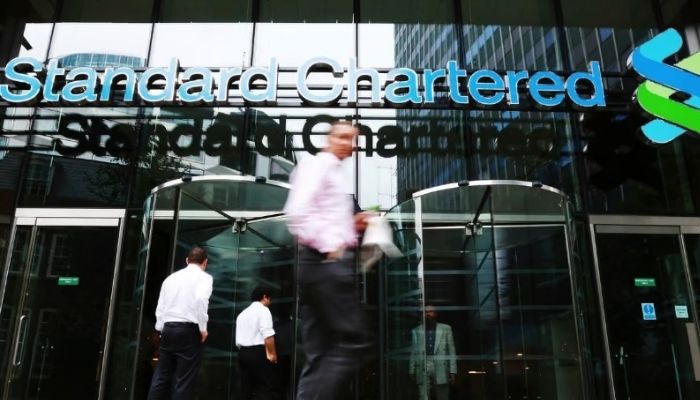
Standard Chartered plans to cut more than 7,000 back-office jobs over the next four years as the London-headquartered lender expands its use of artificial intelligence, becoming one of the first major global banks to publicly tie large-scale staff reductions to AI deployment.
In a strategy update on Tuesday (May 19), the bank said it would shed 15% of its back-office roles by 2030, equivalent to about 7,800 redundancies out of more than 52,000 employees in that function. Standard Chartered has a total global workforce of nearly 82,000.
Chief Executive Bill Winters said the reductions would be driven by automation and AI adoption, with some staff reskilled into other roles. The hardest-hit centres include Chennai, Bengaluru, Kuala Lumpur and Warsaw. “It’s not cost-cutting. It’s replacing in some cases lower-value human capital with the financial capital and the investment capital we’re putting in,” Winters said.
“Of course we’re using AI along the way and AI will be a huge facilitator and enabler of that,” he added, referring to ongoing automation of the bank’s core banking system. The cuts were announced alongside higher shareholder return targets as Standard Chartered closes out a decade-long restructuring that has shifted it from a takeover-target candidate to a steadily profitable lender.
The announcement underscores a broader shift among global banks scrambling to integrate AI models to lift efficiency and counter rising cyber threats. Standard Chartered runs retail and corporate banking operations in Sri Lanka, and is among the foreign lenders most exposed to the South Asian back-office outsourcing market that has fuelled jobs growth across Chennai, Bengaluru and Colombo over the past two decades.
The disclosure also lands as Sri Lanka debates its own national AI policy framework and as researchers from the University of Moratuwa publish the first sovereign Sinhala large language model — placing local labour-market questions about AI adoption alongside the global bank consolidation story.
Source: Newswire / The Guardian.