Sri Lanka has nearly 2,500 registered Thalassemia patients, and between 45 and 60 children are newly diagnosed with the inherited blood disorder each year, Director of the Health Ministry’s Non-Communicable Diseases Unit, Dr. Srini Alahapperuma, said.
Speaking to media, Dr. Alahapperuma said 15 specialised Thalassemia treatment centres operate countrywide and that carrier status can be identified through a simple full blood count test, enabling early detection and timely intervention.
Consultant Haematologist at Lady Ridgeway Children’s Hospital Dr. Nipunika Senadhira said bone marrow transplantation is being performed at the hospital as a treatment and potential cure for Thalassemia patients. She stressed, however, that prevention remains the most effective strategy for reducing the disease burden, and emphasised the importance of screening prior to marriage — particularly among young women — to minimise the risk of transmission to children.
Medical Officer-in-Charge of the Ragama Thalassemia Treatment Unit, Soumya Warnakulasuriya, said the centre provides treatment services to patients from across the country and that steps are underway to further expand facilities and enhance patient care.
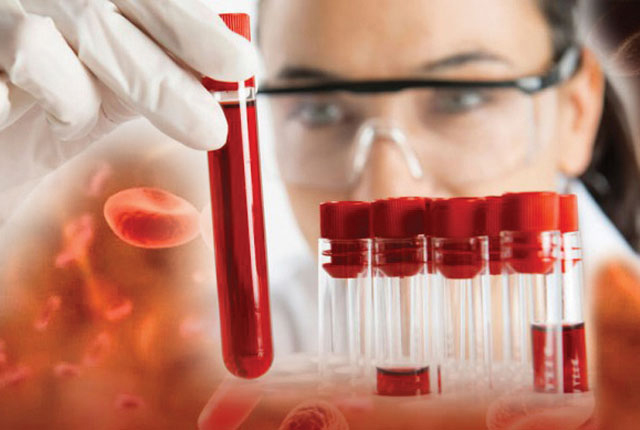
Thalassemia is an inherited disorder that reduces the body’s ability to produce healthy red blood cells and haemoglobin, leaving patients dependent on regular blood transfusions. The condition is one of several non-communicable conditions tracked under the Health Ministry, which has previously reported that non-communicable diseases account for 83 per cent of all deaths in Sri Lanka.