Sri Lanka’s hotel industry has come out against the government’s proposed new Tourism Act, with The Hotels Association of Sri Lanka (THASL) arguing that drafting fresh legislation could take up to two years and that the existing legal framework already provides the tools needed for sector reform.
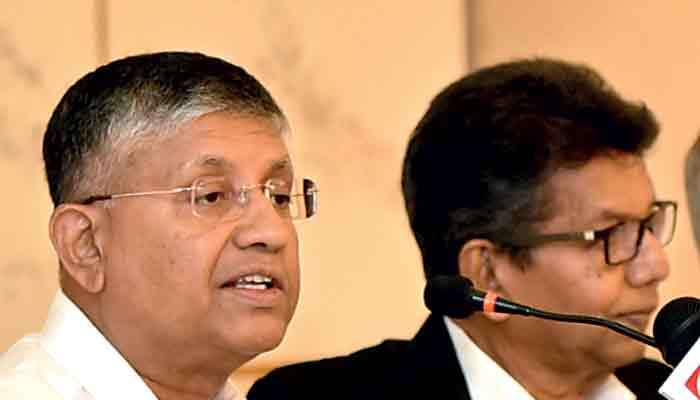
THASL President Asoka Hettigoda and CEO Priantha Fernando, addressing a media briefing, said the lengthy drafting, Cabinet and parliamentary approval process for an entirely new Act would leave the industry “in limbo at a time when urgent action is needed.” The association instead called on the government to amend the existing Sri Lanka Tourism Development Authority (SLTDA) Act in consultation with stakeholders.
“What we are proposing the Government is to amend the existing legislation where necessary, but in consultation with stakeholders, and immediately move forward with reforms that can strengthen governance, improve marketing execution, and accelerate tourism recovery,” Fernando said. He noted that several industry proposals, including a long-awaited global tourism promotional campaign originally expected to launch last year, remained unresolved despite repeated discussions with policymakers.
THASL singled out two bodies proposed under the government’s tourism policy framework — a National Tourism Commission and a Tourism Policy Formulation Council — as unnecessary new bureaucracy. “These additional governance structures would only recreate the bureaucracy and red tape that the existing tourism legislation was originally designed to eliminate,” Fernando said. He argued that the SLTDA framework already provides sufficient authority for tourism institutions to make independent commercial decisions without excessive government intervention.
Fernando also criticised political appointments to key leadership roles such as Director General and Managing Director positions, particularly in destination marketing, saying these should be held by professionals with industry expertise. He warned that reliance on civil service pay scales had prevented tourism institutions from attracting the skilled professionals needed to compete with regional destinations, even though the existing Act allows Boards to set competitive remuneration packages.
The intervention adds to a busy week of THASL public positioning. The association last week criticised a proposed hike in liquor licence fees as penalising the formal sector while encouraging informal operators. The Tourism Act standoff lands against a sector backdrop of March arrivals falling 19 percent year on year and SLAITO using its Sancharaka Udawa 2026 platform to call for a tourism revival push.
Source: Daily FT.