Sri Lanka has slipped from 16th place on the World Economic Forum’s Global Gender Gap Index in 2010 to 130th in 2025 — a fall of more than 100 places in 15 years — according to the country’s first Country Gender Equality Profile (CGEP) launched by UN Women.
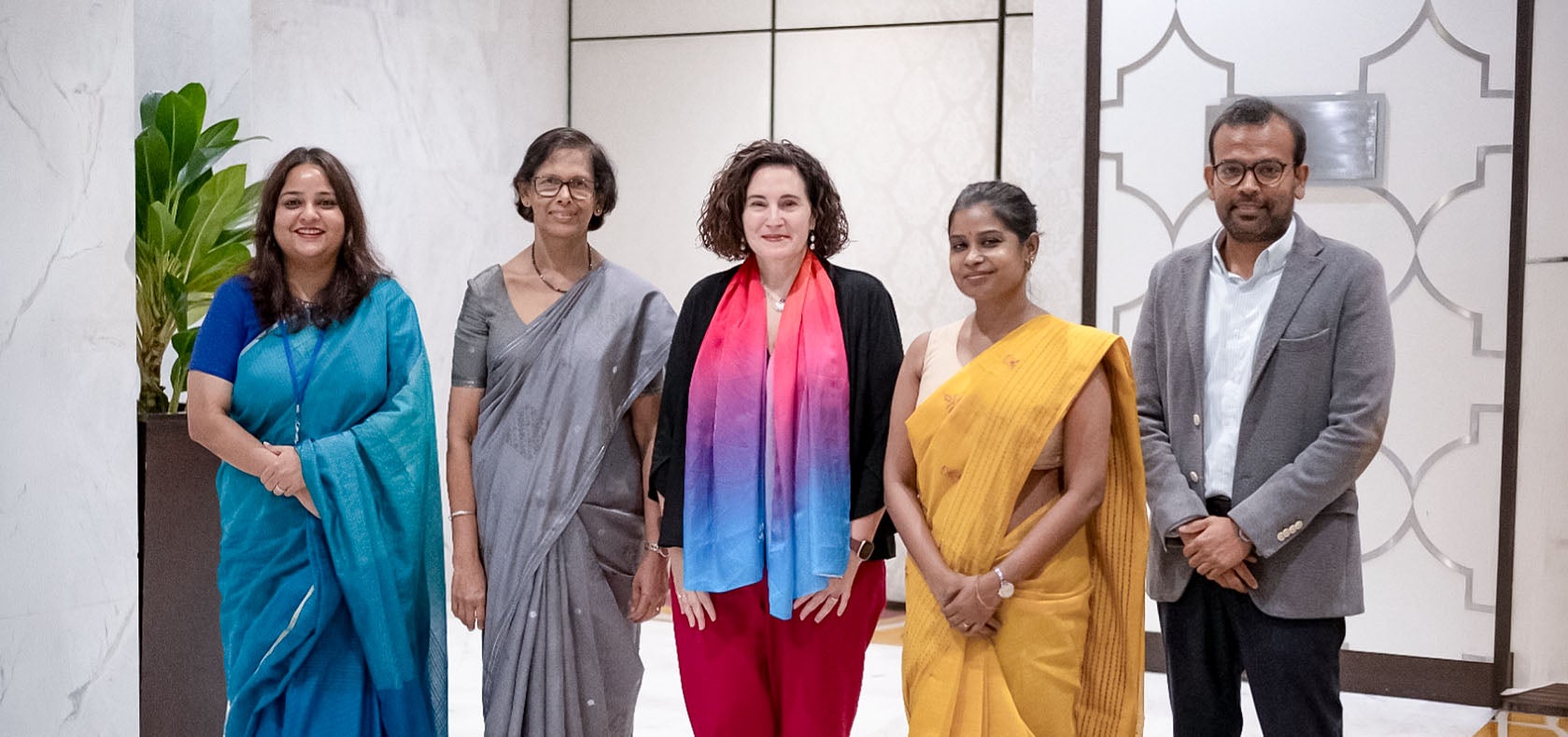
UN Women Regional Director for Asia and the Pacific Christine Arab released the report at the end of a two-day official visit to Colombo on March 25–26. The profile examines women’s economic and political participation, education, health, poverty and social protection, safety and security, and the impact of climate change, alongside an assessment of the country’s legal and institutional frameworks.
The CGEP finds that despite Sri Lanka’s high ranking on the UN Human Development Index — first in South Asia as of 2022 — gender parity indicators have moved sharply in the opposite direction. The report points to persistent inequalities and discriminatory social norms that continue to constrain women’s labour force participation and political representation.
“Gender equality is fundamental to Sri Lanka’s inclusive recovery and long-term resilience. Data, strong institutions and meaningful partnerships are essential,” Arab said at the launch.
Dr. Padma Gunaratne, a member of the National Commission on Women, said Sri Lanka “stands at a critical moment to strengthen its gender governance architecture” and called for the Commission to be made both independent and adequately resourced. Samitha Sugathimala of the Foundation for Innovative Social Development said “collective action among civil society actors is not just important but essential to resist pushback.”
During the visit, Arab met Minister of Women and Child Affairs Saroja Savithri Paulraj, senior government officials, members of the National Commission on Women and diplomats from Australia, Canada and Japan. The report recommends gender-transformative governance reforms, stronger institutions, increased investment in sex-disaggregated data, and multi-stakeholder partnerships to accelerate progress towards the 2030 Sustainable Development Goals.