An estimated 8.8 million people across Asia and the Pacific are at risk of falling into poverty because of the ripple effects of the Middle East military escalation, the United Nations Development Programme (UNDP) said in an assessment released Thursday.
Despite a temporary ceasefire, heightened volatility in energy, trade and labour markets is eroding household incomes, jobs and social protection systems, the UNDP warned. The report synthesises impact assessments across 36 countries and runs macroeconomic simulations of how different economies are absorbing the shock.
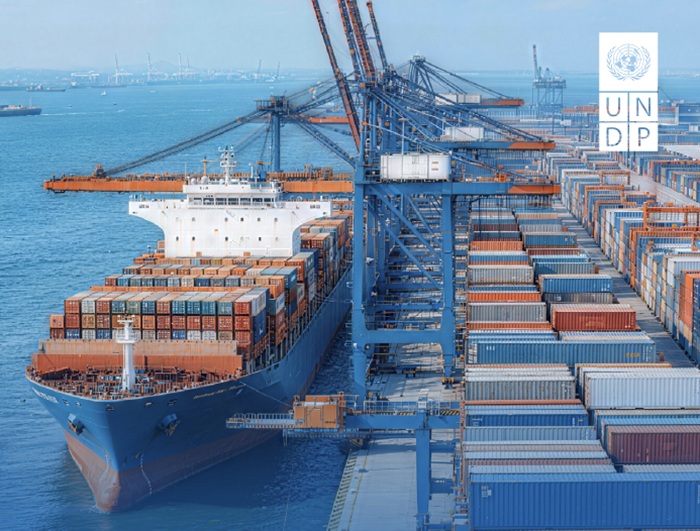
Regional output losses are estimated at between US$97 billion and US$299 billion, or 0.3 to 0.8 per cent of Asia-Pacific GDP. Rising fuel and freight costs are described as the most immediate pressure point: more than 80 per cent of crude oil and LNG transiting the Strait of Hormuz is destined for Asian markets, meaning energy disruption passes quickly into transport, electricity, food and fertiliser prices.
The report identifies South Asia as the region facing the most pronounced losses, citing high exposure to imported energy and food and limited policy buffers. Women, low-income households, migrants and small enterprises are flagged as the most vulnerable groups.
Sri Lanka is explicitly cited in the report as an economy that has tightened fuel rationing in response to the shock. The country’s Rs. 100 billion relief package announced earlier this month — along with fuel restrictions and LP gas and electricity pricing pressures — tracks the pattern of policy responses the UNDP analyses.
In Iran, the assessed decline in the Human Development Index is equivalent to up to a year and a half of development progress lost. In remittance-dependent economies, losses could escalate significantly if the shock persists.
Governments across the region have responded with fuel price stabilisation, targeted subsidies, transport limits and energy diversification measures.