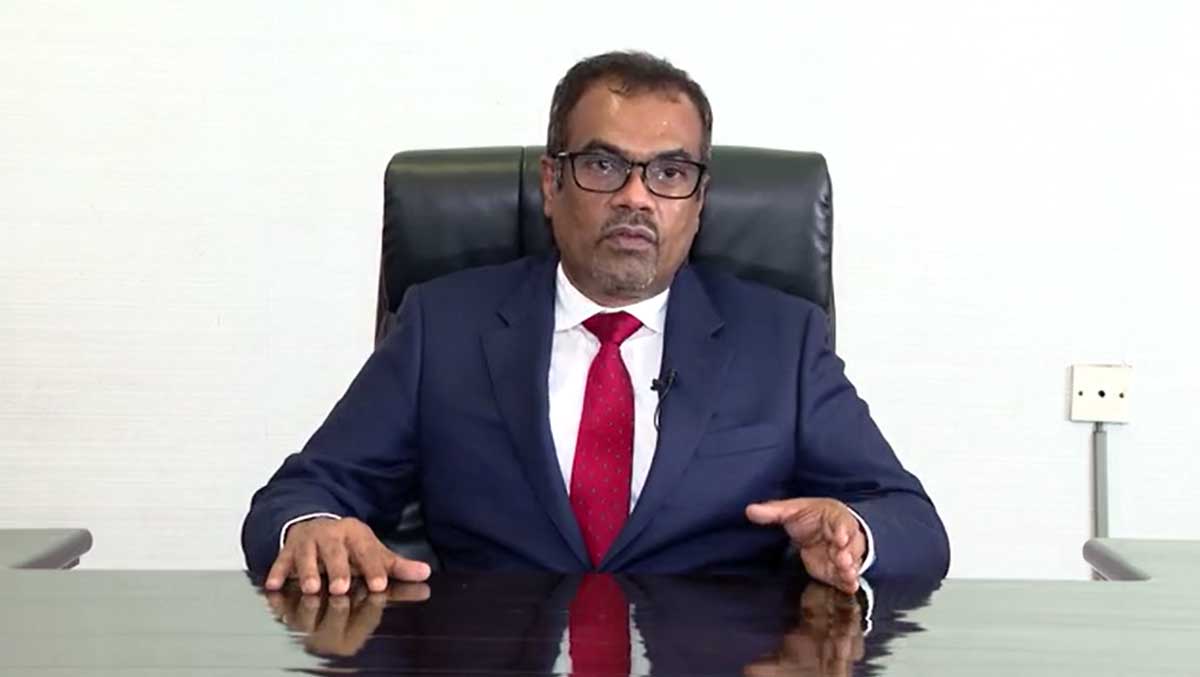
Deputy Finance Minister Anil Jayantha Fernando has disclosed that 9,429 Letters of Credit (LCs) were opened for personal vehicle imports on May 18 — the first business day the 50 percent surcharge on Customs Import Duty took effect — compared with 1,782 LCs on May 15, the day before the government announcement. The roughly five-fold surge suggests the surcharge triggered speculative panic-buying rather than cooling demand.
Fernando said the spike was “purely due to speculation” by vehicle importers and ruled out information leaks. “This is mainly due to the behaviour of the vehicle importer and not because of information leak,” he said, rejecting opposition claims that two companies had opened LCs for 4,000 vehicles on May 15 using advance knowledge. “This is totally wrong. There were only 1,782 letters of credit opened on that day,” he added.
The minister also disclosed that Sri Lanka opened LCs for 624,000 vehicles in the 16 months from January 2025 to end-April 2026, and that even after the surcharge the government estimates vehicle import costs at around US$200 million per month. Foreign exchange reserves fell from US$7 billion in March to US$6.76 billion by end-April, and the rupee depreciated more than 6 percent to above Rs. 350 per US dollar by May 21 before recovering sharply to Rs. 329 in the spot market.
The 50 percent surcharge on CID — stacked on top of the existing 30 percent duty — applies for three months from May 16 to personal vehicles, excluding two-wheelers and three-wheelers. EconomyNext noted that some analysts have criticised the Central Bank for not raising monetary policy rates to mop up excess rupee liquidity from dollar purchases, which enabled cheap borrowing for vehicle imports.
The 9,429 LC figure is the most detailed public quantification of the post-announcement rush yet. JKCG, the BYD distributor, denied its own prior knowledge of the surcharge on the same day. SJB MP Mujibur Rahman had earlier raised the issue in parliament, describing the LC pattern as evidence of “organised crime.”
Sources: EconomyNext.