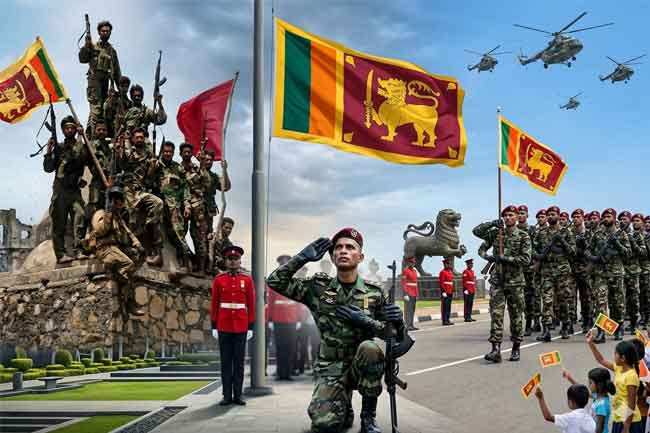
Today marks 17 years since the end of the LTTE insurgency that gripped Sri Lanka for more than three decades. The war officially came to an end on May 18, 2009, following the death of LTTE leader Velupillai Prabhakaran at the hands of Sri Lankan military forces in the Nandikadal lagoon area of the Northern Province.
The roots of the conflict date back to July 27, 1975, when then Jaffna Mayor Alfred Duraiappah was assassinated — regarded as one of the first major acts in the separatist campaign that would later coalesce under the LTTE.
Over the years, the LTTE carried out numerous attacks across the island, claiming thousands of lives and causing widespread destruction. The group targeted key economic installations including the Central Bank of Sri Lanka and the Katunayake International Airport, and struck religious and cultural landmarks such as the sacred Sri Maha Bodhi and the Temple of the Sacred Tooth Relic in Kandy. The closure of the Mavil Aru sluice gate, a critical water source for farmers in the Eastern Province, intensified the humanitarian crisis ahead of the final stages of the conflict.
In response, Sri Lankan armed forces launched a large-scale military operation, advancing through eight fronts. During the final stages of the war, the LTTE was accused of using civilians as human shields while security forces simultaneously carried out humanitarian rescue operations to free civilians trapped in conflict zones.
After overcoming numerous challenges, the war ended on May 18, 2009, with the death of Prabhakaran at Nandikadal, closing a conflict that lasted more than 30 years.
Tributes continue to be paid to the political leadership, military administration, commanders and members of the Sri Lankan armed forces for their role in ending the insurgency. The National War Heroes’ Day ceremony will be held on May 19 at Battaramulla under President Anura Kumara Dissanayake — the first such commemoration under an NPP administration.