The World Health Organization on Friday approved the first malaria drug specifically formulated for newborns and infants weighing under 5 kilograms, in a milestone announced ahead of World Malaria Day on April 25.
The new combination of artemether and lumefantrine is the first antimalarial treatment confirmed safe for babies under the 5kg (2.2 lb) threshold. Until now, infants in this weight band were treated with drugs developed for older children, exposing them to risks of dosing errors and toxicity, the WHO said.
The approval allows national regulators to authorise the drug even where they lack capacity to run full clinical trials of their own, and enables UN agencies to procure and distribute it across malaria-endemic regions subject to government clearance.
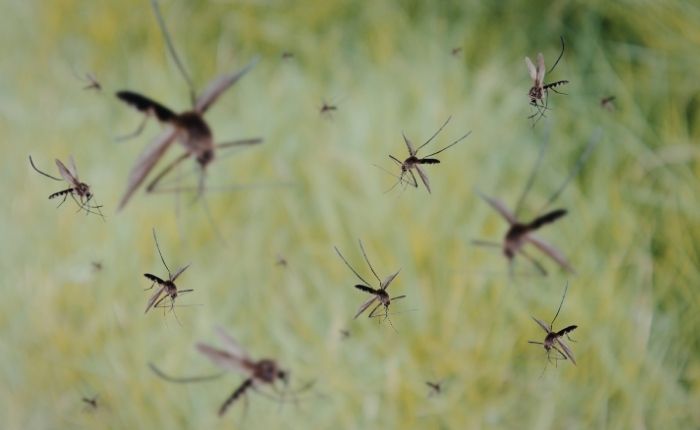
Children under five remain the most vulnerable group to malaria, accounting for around 70 percent of deaths from the mosquito-borne disease. Malaria also exerts a heavy toll during pregnancy, contributing each year to an estimated 10,000 maternal deaths, 200,000 stillbirths, and roughly 550,000 babies born with low birth weight, according to WHO data.
Global progress since 2000 has averted an estimated 14 million deaths, but 282 million cases and more than 500,000 deaths were still recorded in 2024. Sub-Saharan Africa accounts for around nine in ten cases worldwide.
Sri Lanka was certified malaria-free by the WHO in 2016 after eliminating local transmission, and continues to maintain elimination status through the Anti-Malaria Campaign’s surveillance of imported cases. The new infant formulation is therefore most relevant for the wider region — including parts of South Asia and East Africa where infants under 5kg face high transmission risk and limited treatment options.
Sources
- Newswire — WHO approves first Malaria drug for babies