Prime Minister Dr. Harini Amarasuriya has called for Sri Lanka’s education and assessment systems to be modernised, with greater weight given to skills, creativity, experiential learning and students’ overall development.
Reforming the assessment system is a central part of the government’s ongoing education reforms, she said, aimed at reducing excessive dependence on examinations and promoting activity-based and experiential learning. The remarks were reported by Ada Derana, citing a statement from the Office of the Prime Minister.
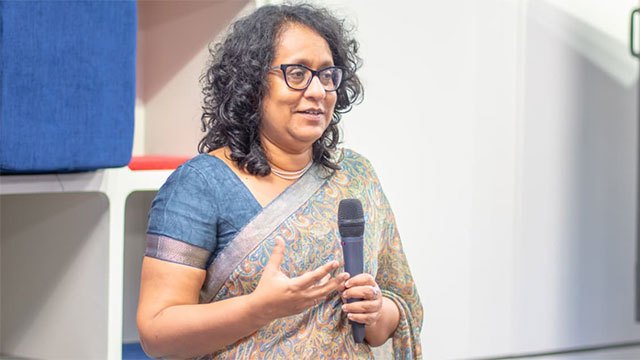
The Prime Minister was speaking at a public lecture in Colombo titled “250 Years of Educational Excellence: Lessons from a Sri Lankan American,” delivered by Fulbright Specialist Dr. Priyanvada Abeywickrama.
Not a break with what works
Amarasuriya said the reforms would not undermine the strengths of the existing system, which she noted has produced generations of academically successful students, but would instead modernise it for current and future needs.
She also pointed to the need to improve digital literacy among teachers, principals and parents, and said academic and vocational education pathways should receive equal recognition — a theme that runs alongside the government’s Rs. 42 billion vocational education allocation.
International expertise and collaboration would play an important role in implementing the proposed reforms, she said, thanking Dr. Abeywickrama for a month-long contribution to the process.
The event was held in Colombo on Wednesday and organised by the United States–Sri Lanka Fulbright Commission, a bi-national body that has run academic, cultural and professional exchanges between the two countries since 1952. NewsFirst, reporting the address a day later, said the lecture drew education stakeholders, academics and policymakers to discuss the future direction of the sector. The Daily Mirror reported that the Prime Minister also thanked the Fulbright Commission, the Postgraduate Institute of English of the Open University of Sri Lanka and the Department of Examinations for their part in the initiative.
The Prime Minister, who also holds the education portfolio, has previously pressed for changes to university admissions and higher education structures. The Prime Minister’s Office said she reaffirmed the government’s commitment to working with local and international experts on a more inclusive and future-ready system.