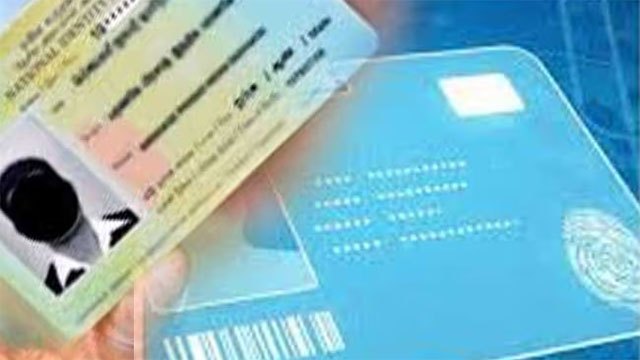
Sri Lanka plans to replace all existing National Identity Cards with digital identity cards over the next few years, Deputy Minister of Digital Economy Eranga Weeraratne has said.
Weeraratne said the first digital ID is expected to be issued within the coming months as part of the government’s digitalisation programme. Daily Mirror quoted him as saying: “We have given a big push to the digital economy. We are going to the point where the first digital ID will be issued within this year.”
He said the government expects the full digital identity system to be in place by August next year, and to move the roughly 17 million people who currently hold identity cards onto the new system within about two years after that — putting completion around 2029 on the timeline as described.
The funding gap is unresolved in both reports
Neither Ada Derana nor Daily Mirror addressed the cost of the rollout or how it will be paid for. That matters, because the underlying Sri Lanka Unique Digital Identity (SL-UDI) project ran into a funding shortfall in July, when vendor bids for the master systems integrator came in at more than double India’s pledged grant of INR 3 billion. The government was then seeking to have the grant increased.
Neither newsroom said whether that gap has since been closed, and this report does not assume it has. The timeline Weeraratne gave was presented without reference to the procurement position.
Context
SL-UDI is designed to convert the standard national identity card into a biometric digital ID built on the open-source MOSIP platform, pairing an Indian master systems integrator with a local managed service provider.
The programme sits within a wider push that has included winding down ICTA in favour of a new digital economy authority, digital death certificates and a digital land registry.
Sri Lanka Police have separately warned of a fraudulent website impersonating the digital ID registration process — a risk that typically grows as a rollout date approaches.