The Department of Wildlife Conservation is building additional ponds in Yala National Park to supply drinking water to animals hit by the prevailing drought, the Daily Mirror reported.
Park Warden A.T.R. Ravindra said existing ponds and water holes are also being restored. Both the new and the restored sites are being filled with water carried in by bowser from the Menik Ganga.
An elephant herd and a tank that has run dry
The pressure is visible outside the park as well.
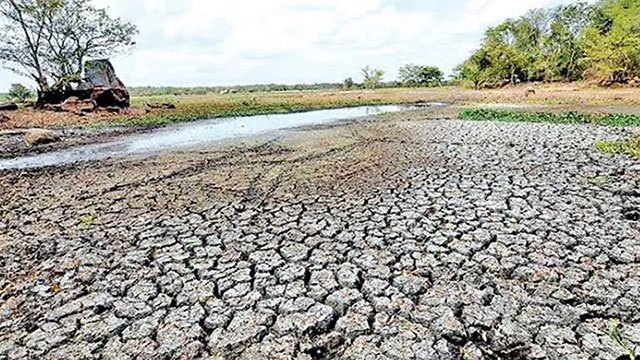
Herds of wild elephants from the forest reserves at Okkampitiya and Maligawila are coming to the Illukpitiya tank day and night to drink. The tank itself has run dry, leaving only a muddy pool in the middle.
All water sources inside the forests have dried up, and wild animals are among the worst affected by the drought, the report said.
What the report does not cover
The Daily Mirror account, filed by Sumanasiri Gunatilaka, does not say how many ponds are being built or restored, what the work costs, how many bowser trips are involved, or whether any animal deaths have been recorded. It gives no figure for how far Yala’s natural water bodies have fallen.
No other verified newsroom carried the story at the time of writing.
Context
Animals arriving at dry tanks is the same drought reaching a different set of victims. The Disaster Management Centre now counts 88,068 people across six districts affected by the dry weather, with nearly 8,000 acres of crops damaged and Rs. 3 billion allocated in compensation.
Water-stressed elephants moving beyond reserve boundaries in search of a drink is also the mechanism behind much human-elephant conflict — including electrocution on illegal fences, which killed two elephants at Maligawila in June, the same reserve whose herds are now walking to Illukpitiya.