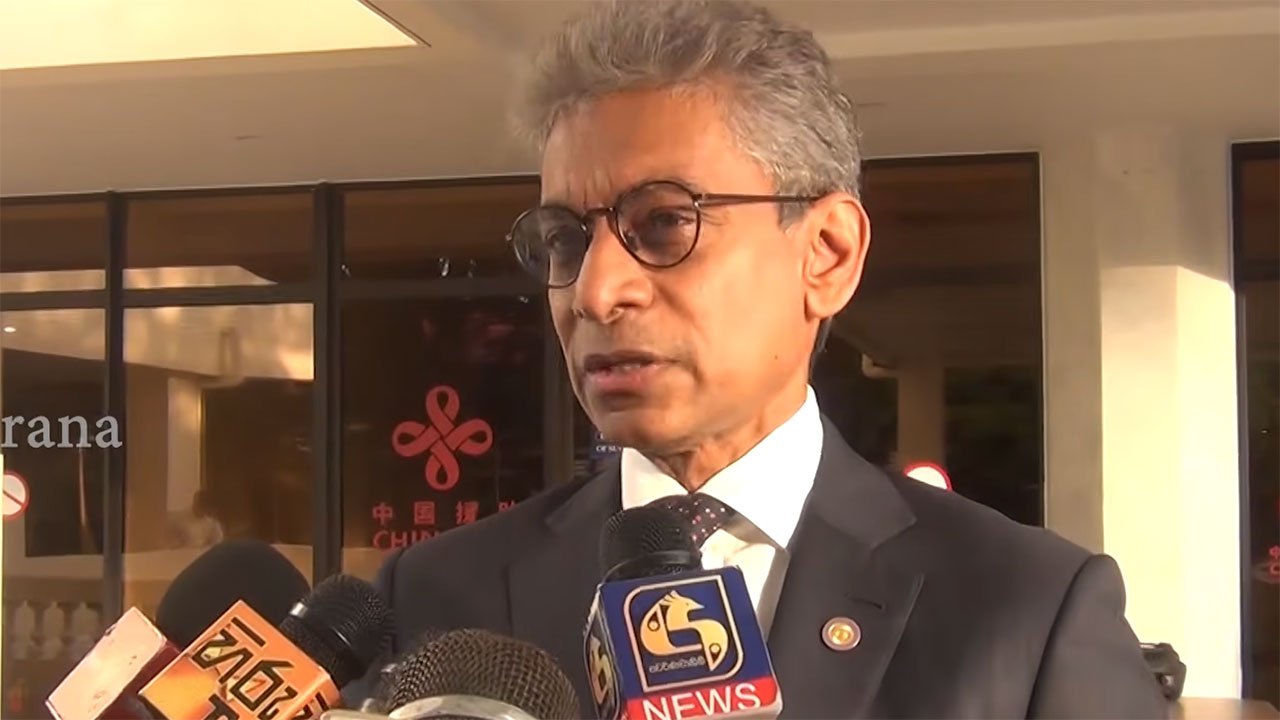
Steven Thiru, president of the Commonwealth Lawyers Association, said on Wednesday he had observed the Supreme Court’s hearing on the 22nd Amendment in person and that the association would prepare a report, after raising concerns about how the case was conducted and who sat on the bench.
Thiru told reporters he had attended the full day’s proceedings and had also spoken to members of Sri Lanka’s legal profession about the case. His remarks came shortly after the five-judge bench concluded its hearing of a record 67 petitions and said its determination would go confidentially to the Speaker of Parliament.
The right of reply
Thiru said the judges had handled the matter “with great patience,” giving counsel ample time, but that the closing stage was unusual. When petitioners’ counsel sought to reply, he said, “they were not given the opportunity to present an oral response and were instead instructed to file a written submission.” An oral right of reply is standard practice in important cases across most jurisdictions, he added.
The composition of the bench
Thiru said members of the local bar had questioned why a larger panel had not been appointed for a case bearing on judicial independence. “Usually, the largest bench would hear such a matter, and I am told that was rejected,” he said, according to Hiru News. Concerns had also been raised over why the most senior judges did not sit alongside the Chief Justice, and whether Chief Justice Preethi Padman Surasena should have presided or whether recusal “would have better ensured the appearance of absolute fairness.”
A request by the Bar Association of Sri Lanka for the petitions to go before a full bench of all sitting Supreme Court judges was rejected on Tuesday.
Public confidence
“Across the Commonwealth, when public confidence in a judiciary suffers, it takes a very long time to recover,” Thiru said, describing the judiciary as “the last bastion of defence for citizens against the might of the state.” The question when the dust settled, he added, was whether what had happened increased public confidence or diminished it.
The London-based association was the first international body to caution Sri Lanka over the judicial retirement age proposal, in a June statement invoking the Latimer House Principles and its own Goa Declaration.
Neither outlet reported a response from the Government, the Attorney General’s Department or the courts, and no other verified newsroom carried Thiru’s remarks. The association did not say when its report would be published.