The risk of dengue has not completely subsided even though cases are currently being reported at a relatively low level, the National Dengue Control Unit has said.
Community Physician Dr Prashila Samaraweera made the remarks at a media briefing at the Health Promotion Bureau, Ada Derana reported.
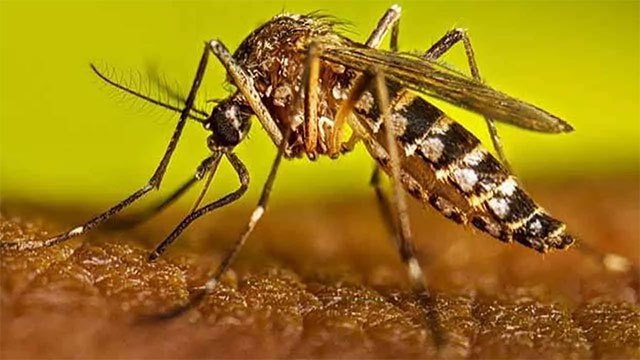
She urged the public to remain vigilant and to pay close attention to places within their own premises where dengue mosquitoes could breed.
The warning signal to watch
Dr Samaraweera noted that in some districts an increase in the mosquito population is observed first, followed by a rise in dengue cases. That sequence is the operative point of the briefing: falling case numbers are a lagging indicator, and vector density turns before the caseload does.
The numbers behind the warning
The caution follows a sharp fall in reported infections. August closed with 10,157 cases, barely a third of July’s 29,964 and well below June’s 21,533, taking the year to 95,493. The death toll has held at 72, a case-fatality rate the unit put at 0.076 per cent.
Daily case numbers had already dropped roughly 80 per cent from their July peak during the second half of August. Fifty Medical Officer of Health divisions remain classified as high-risk.
Why the timing matters
The second inter-monsoon rains are expected from October. The Education Ministry has instructed schools to run dengue control programmes before the new term begins, and forecasters have warned of higher-than-normal rainfall later in the year under prevailing El Niño conditions — the conditions in which breeding sites multiply.
Not reported
Ada Derana did not carry a current weekly case count, name the districts where mosquito densities are rising, or say whether the unit is planning a new island-wide inspection campaign. No other verified newsroom had carried the briefing at the time of writing.