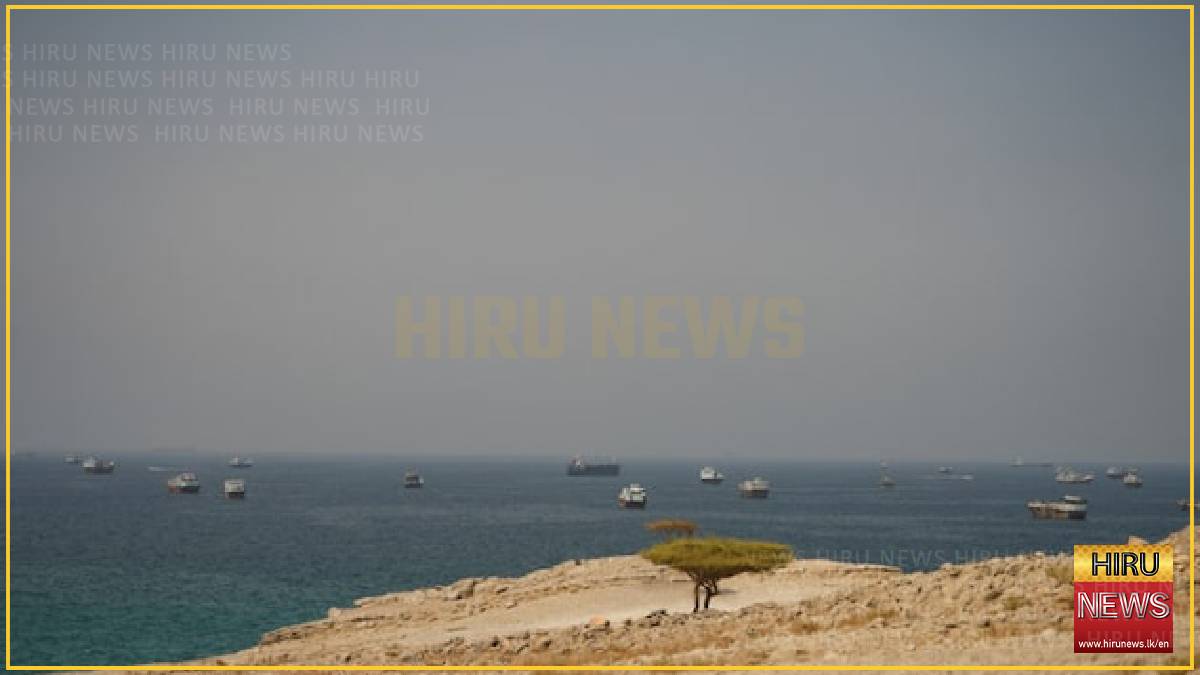
A meeting between Iran and Gulf states in Oman on Monday will discuss the blockaded Strait of Hormuz but is not expected to produce a signed agreement, a senior Iranian official said on Saturday.
The official, speaking on condition of anonymity, said the meeting was called at Oman’s initiative and would cover other regional issues alongside Hormuz. Iran has negotiated with Oman — which controls the opposite bank of the strait — for months over a deal governing transport through it.
The sticking point is money. According to the Iranian official, Iran still wants an arrangement allowing it to collect fees from ships using the strait. Oman rejects that.
Who is attending
Tehran announced on Friday that it would attend. Oman has not officially announced the meeting, and other regional states have stayed silent. Bahrain said on Saturday it would not attend meetings with Iran.
Al Jazeera reported that Iraq and coastal Gulf Cooperation Council states are expected to take part. Iran’s Foreign Ministry said the meeting aims to “promote better understanding among the countries of the region and help strengthen shared regional security.” Foreign Ministry spokesman Esmail Baghaei said Iran “remains committed to ensuring the security of navigation in the strait.”
Why it matters for prices
Around a fifth of global oil supplies transited Hormuz before the United States and Israel attacked Iran in late February, starting the war. Iran has blockaded the strait since.
Oil prices have surged over the past week after the United States and Iran both fired on tankers in the strait, and after Iran’s Houthi allies in Yemen advanced on the Bab el-Mandeb Strait — the other main oil conduit, on the opposite side of the Arabian Peninsula. Brent crossed US$100 a barrel earlier in the week.
Update, September 13: a deal would not reopen the strait
Iranian Foreign Minister Abbas Araghchi — the first Iranian minister to comment on the record — said the anticipated agreement with Muscat will not trigger a reopening of Hormuz.
Speaking to Al-Araby Al-Jadeed in remarks carried by Hiru News, Araghchi said Iran would “provide the participating countries with the details of the agreement with Oman and the maps related to the new route” at the Muscat meeting. But the agreement does not “in any way” signal that the strait will reopen, he said: Tehran still expects the United States to honour the commitments of the 60-day memorandum of understanding signed in Islamabad in June.
“Iran believes that the responsibility for ensuring security and stability in the region lies solely with the countries of the region,” Araghchi added — a formulation that excludes Washington from any settlement.
The remarks reframe what is on the table. A deal governing a new route is not the same as lifting the blockade, and Araghchi ties any reopening to US compliance rather than to the Oman talks. Araghchi also confirmed Bahrain’s withdrawal, which Manama attributed to recent attacks on the Gulf.
Still not reported
Neither source names the Gulf states that have actually confirmed attendance, gives the fee level Iran is seeking, or says whether the United States is involved in or briefed on Monday’s talks. Araghchi does not describe where the “new route” runs, how it differs from the existing transit lanes, which vessels could use it, or what the June Islamabad memorandum required of the United States.