Syria has raised diesel prices by 40 per cent and petrol by as much as 28 per cent, setting off the widest protests the country has seen since the fall of Bashar al-Assad in December 2024.
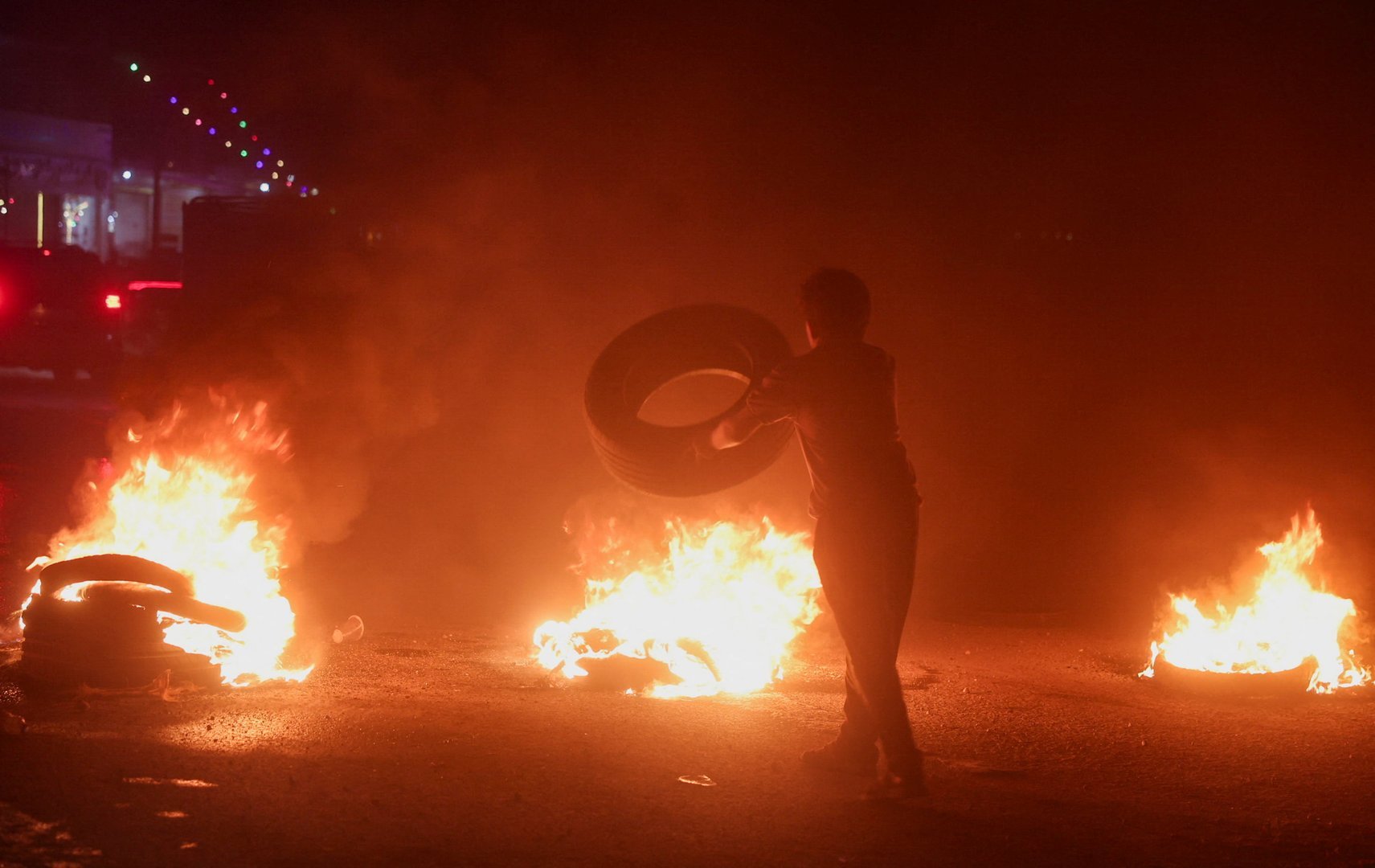
Within 24 hours of the increase, demonstrators had blocked the highway linking Damascus to Aleppo and burned tyres along the road to Turkiye, Hiru News reported, citing OilPrice.com. Diesel now costs 175 Syrian pounds a litre, and household and industrial gas prices rose roughly 9 per cent.
Al Jazeera reported protests in Hama, Khan Sheikhoun and Maarat al-Numan, with footage showing crowds gathering in the street and burning tyres. Its photograph of tyre-burning on the Aleppo–Turkiye highway is dated 13 September.
The two outlets differ on the day. Hiru puts the price increase on Saturday; Al Jazeera says the government raised prices on Sunday. Both agree on the size of the increases and on the government’s explanation.
The government’s case
Damascus called the rise a temporary measure driven by a sharp increase in the global cost of securing fuel. Syria’s Energy Ministry spokesperson Abdulhamid Salat used that framing, and the ministry said it would keep reviewing prices as market conditions change while working over the longer term to expand refining and storage capacity, according to the state news agency SANA.
The supply squeeze behind it
Syria produces about 102,000 barrels of oil a day against domestic demand of roughly 325,000 barrels, Energy Minister Mohammed al-Bashir said. Damascus has covered the shortfall by importing around 60,000 barrels a day of Russian crude this year.
Two things have tightened that at once. Ukrainian attacks on Russian refineries have cut Russian output and pushed Moscow to restrict diesel and petrol exports. At the same time the Baniyas refinery, Syria’s largest, closed this month for a three-month overhaul — its first comprehensive maintenance since Assad’s fall — under a project the Syrian Petroleum Company says will lift capacity from 80,000 to 130,000 barrels a day.
So the refinery upgrade that should eventually ease supply is part of what is squeezing it now.
The wider picture
The UN Development Programme estimates 90 per cent of Syrians now live below the poverty line, up from about a third before the 2011 civil war — the context in which a 40 per cent fuel increase lands.
Hiru also reports that the United States has backed a US$5.7 billion, 1,000-mile pipeline from Basra to Baniyas, led by Chevron with TotalEnergies and Syrian and Qatari investors, that would carry 2 million barrels a day. US envoy Tom Barrack has said the project is intended to render the Strait of Hormuz an afterthought. Iraqi refineries already truck roughly 5,000 tankers of crude to Baniyas daily under an interim arrangement begun in April.
Damascus has also retaken oil and gas fields in Deir ez-Zor and Hasakah from Kurdish-led forces this year.
Not reported
Neither source gives a dollar equivalent for the new diesel price, the number of protesters or arrests, or whether security forces intervened. Neither says whether the government will reverse or moderate the increase, how long “temporary” is meant to mean, or what the increases are expected to save the treasury.
Al Jazeera does not carry the 175-pound figure, and Hiru does not name the cities Al Jazeera reports. Neither addresses the one-day discrepancy over when prices actually changed.