Police have identified 712 high-risk locations across Sri Lanka as part of an effort to reduce road deaths, Inspector General of Police Priyantha Weerasooriya said, with funding and remedial work at those sites now being planned.
He was speaking at a meeting attended by the Minister of Public Security and other officials, Hiru News reported on Friday.
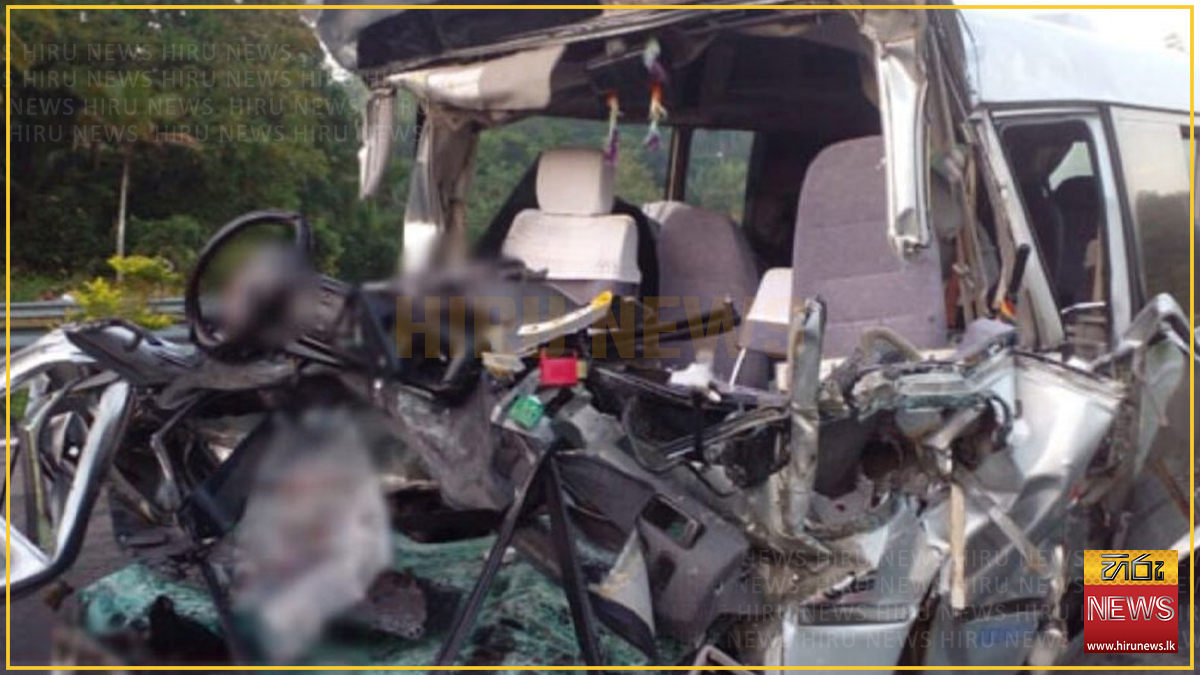
The IGP said 1,849 fatal road incidents have been recorded so far this year, and that the annual figure exceeds 2,500. Between seven and ten people die on the roads every day. Pedestrians and motorcyclists account for most of the deaths, he said, with three-wheeler crashes also recording a high figure.
Fining drivers is not the plan
Weerasooriya’s substantive point was that enforcement alone will not fix it. Road discipline “cannot be instilled solely by fining drivers,” he said, arguing that awareness of road rules and traffic law should be built into school textbooks from childhood.
That is a notable position from a police chief, and it pairs with the 712 locations: one half of the approach is engineering — fixing the places where crashes cluster — and the other is education rather than prosecution.
Checking the number against the last police figure
The 1,849 is a count of fatal incidents, not of people killed, and the distinction matters when reading it against earlier police statements.
On 21 August, DIG W.P.J. Senadheera of the Traffic Control and Road Safety Range put the toll at 1,749 deaths from 1,654 fatal accidents as of 20 August. Taking the like-for-like measure, fatal incidents have risen from 1,654 to 1,849 in 29 days — an increase of 195, or about 6.7 a day.
That sits just under the IGP’s “seven to ten people dying daily”, which is consistent: an incident and a death are not the same unit, and some crashes kill more than one person. The two sets of figures agree. Neither outlet nor either officer makes the comparison, and no report gives a current death toll to set beside August’s 1,749.
The IGP’s statement that the annual figure exceeds 2,500 also implies the year will close well above where it now stands — 1,849 by 18 September is running at a pace that reaches roughly that range by December.
Where the 712 came from is not explained
Hiru’s report does not say how the high-risk locations were identified, over what period, or which districts or roads they are on. It does not say what the “necessary provisions and future actions” being planned actually are — signage, lighting, junction redesign, speed enforcement or something else — who will pay for them, or when work starts.
Nor does it name the Minister of Public Security present at the meeting, give the occasion or venue, or say whether the Ministry of Transport is involved. The IGP gave no breakdown of the 1,849 by road-user category, so the shares attributed to pedestrians, motorcyclists and three-wheeler occupants cannot be checked.
The statement lands the day before a seat belt requirement for all expressway occupants takes effect, part of the road safety package announced on 21 August by Transport Minister Bimal Rathnayake. Neither the IGP’s remarks nor Hiru’s report mentions it.