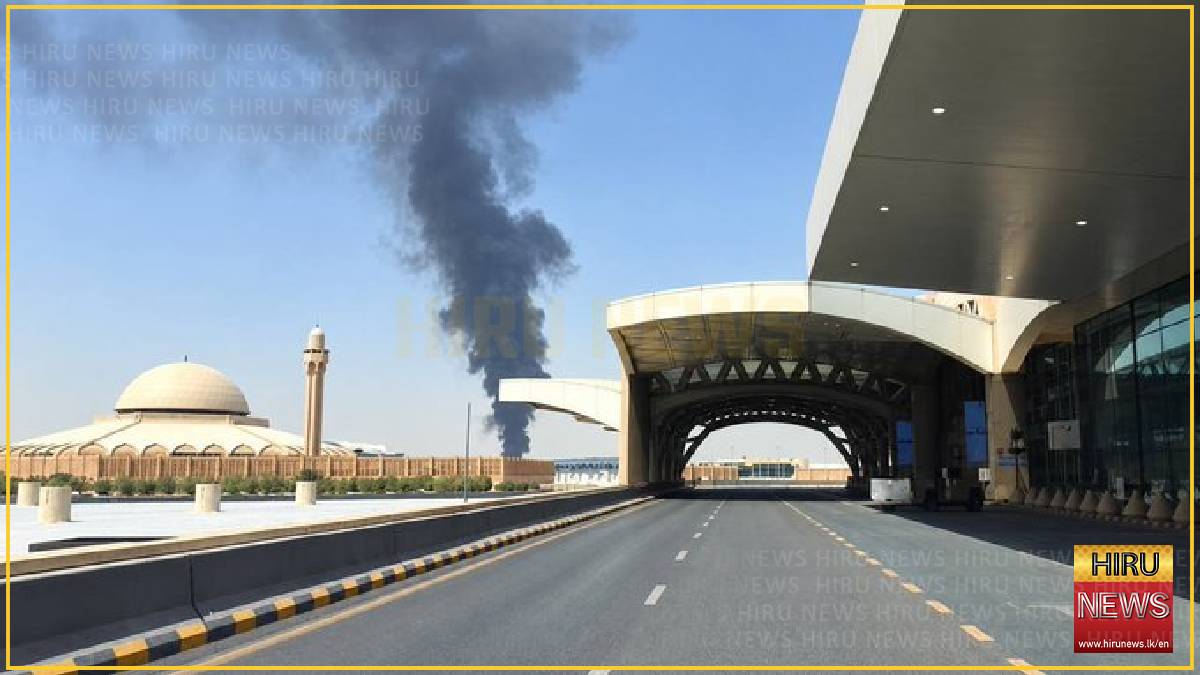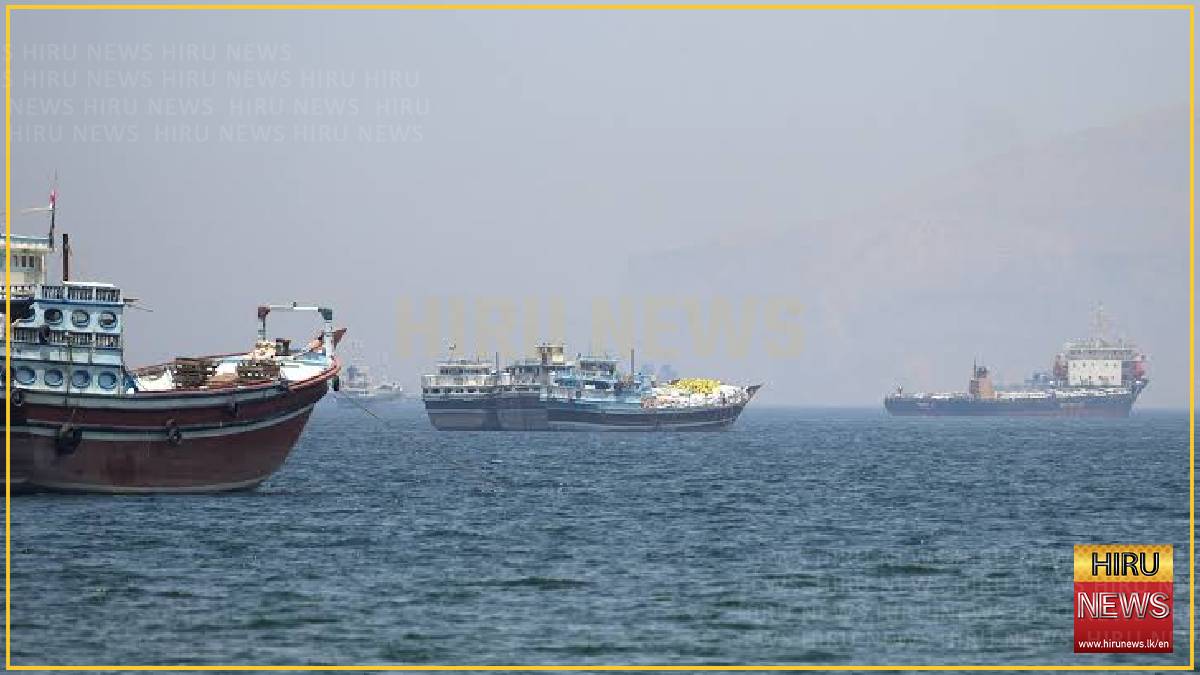
The volume of crude oil, cargo and liquefied natural gas moving through the Strait of Hormuz over the past two weeks is at its highest level in six months, US Central Command said, as relayed by Hiru News from Al Jazeera.
In a statement posted on X, CENTCOM commander Admiral Brad Cooper said the US military had assisted in moving more than one billion barrels of oil through the strait and had protected more than 2,000 commercial ship transits. He said the main transit lanes are now clear of mines.
“We’re also working with every partner in the region, enhancing their air defence, forming a new coalition attack drone unit and keeping the Strait of Hormuz and surrounding waters open and clear,” Cooper said.
Open and blockaded at the same time — both are true
The claim reads oddly beside the fact that the strait is under a US blockade, and beside wire copy filed the same weekend describing Hormuz traffic as blockaded.
There is no contradiction, and the distinction is the whole point. Al Jazeera set it out on 16 September: the US blockade targets Iranian maritime trade, while the US Navy simultaneously escorts everyone else’s. CENTCOM spokesperson Captain Tim Hawkins said US forces “have redirected more than 100 ships that were trying to violate the blockade,” and separately that “the strait is open. Those lanes are open. And that is why commercial vessels continue to flow through them.”
So Hormuz is closed to Iran and open, under escort, to everybody else. A reader seeing only one of those two statements would take away the opposite of the other.
The arithmetic does not work as stated
Hiru’s rendering has Cooper’s one billion barrels moving “over the past two months.” That figure cannot be right as a two-month total.
Three days earlier, Hawkins gave Al Jazeera a cumulative figure: “Since early May, we have assisted commercial vessels moving more than 900 million barrels of crude oil through the Strait of Hormuz.” Early May to mid-September is about four and a half months.
Set the two side by side:
| Claim | Period | Implied daily flow |
|---|---|---|
| Hawkins, 16 Sept — 900m barrels | since early May (~138 days) | ~6.5m bpd |
| Cooper, 19 Sept — 1bn barrels | ”past two months” (~61 days) | ~16.4m bpd |
Before the war, Al Jazeera reported on 3 September, an average of around 100 ships and 20 million barrels a day passed through the waterway. A two-month reading of Cooper’s figure would put wartime Hormuz at roughly 82 percent of its entire pre-war throughput — while a blockade is in force and mines were being cleared from the lanes within that same window.
The far likelier reading is that Cooper’s one billion barrels is the same cumulative count since early May that Hawkins gave, grown by a few weeks. Treat the “two months” framing as unreliable rather than the barrel count.
Independent trackers count a fraction of the ships
The transit figure invites the same scrutiny. More than 2,000 commercial transits over two months would be about 33 ships a day.
Al Jazeera’s 3 September analysis compared US claims against commercial ship-tracking data and found a persistent gap. US officials had described 30 to 40 ships a day under escort. Independent trackers counted far fewer:
- Kpler — six vessels one Wednesday, 11 the Tuesday before, five the Monday; a 10-day average of 13 vessels a day
- Lloyd’s List Intelligence — around 12 transits a day between 26 August and 1 September
- PortWatch — an overall average of seven vessels since March
Analysts attribute the discrepancy to counting methods rather than dishonesty: the US figure appears to include naval auxiliaries, offshore support vessels, tugs and small coastal craft, while the commercial trackers count cargo vessels only. That explanation resolves the direction of the gap but not its size, and neither CENTCOM statement says which basis it is using.
Why this matters in Colombo
Sri Lanka imports effectively all of its fuel, and Hormuz is the chokepoint that sets the price of it. The archive has tracked the closure from the US Navy blockade through mine-clearing disputes and postponed talks that sent oil higher.
If traffic genuinely is at a six-month high with the lanes clear, that is downward pressure on the import bill. The caution is that the claim rests on figures that its own source has already been unable to reconcile with independent data, and it arrived in the same 24 hours as a Houthi ballistic missile intercepted over Riyadh — an escalation on the Red Sea route that Gulf exports use as the alternative to Hormuz. The two corridors are moving in opposite directions, which is a poor basis for assuming sustained relief.
Local markets are not pricing in relief either. First Capital Research named rising global oil prices among the reasons the Colombo bourse closed the week 326 points lower.
Not reported
Neither source gives a barrels-per-day figure, the six-month baseline the “highest in six months” claim is measured against, or the period the 2,000 transits covers. Neither says how many of those transits were commercial cargo vessels as opposed to support craft.
Neither reports Iran’s response to the mine-clearing claim, nor whether any independent body has verified that the primary lanes are clear.
Sources
- US military says volume of trade passing through Hormuz is at highest level in six months — Hiru News, September 19
- US military claims Strait of Hormuz remains open amid ongoing blockade — Al Jazeera, September 16
- Background: How much oil is going through Hormuz? Why data doesn’t match US claims — Al Jazeera, September 3