Iran has sent the United States a formal list of preconditions for ending the war and resuming negotiations, routed through Qatari mediators, according to Mohsen Rezaei, secretary of Iran’s Supreme National Security Council. Both Daily Mirror and Hiru News carried the account on Saturday, both drawing on the same exclusive Al Jazeera interview.
“America must implement our conditions first, and only then can negotiations follow,” Rezaei said.
Seven claimed, six stated
Rezaei announced on X that Iran had “announced seven conditions for starting any negotiations with the US government” — but did not enumerate them there. In the interview he listed: release of Iran’s frozen assets; an announced end to the war on all fronts; no interference in Iran’s internal affairs; an end to cooperation with opponents of the revolution; a halt to any form of aggression against Iranian territory; and the lifting of the naval blockade.
That is six. The seventh condition is not stated in either report, and neither outlet notes the discrepancy. Hiru’s shorter version, quoting the same interview, compresses the demands further still to three — ending the war, releasing frozen funds, and lifting the blockade.
The blockade Iran wants lifted
The naval blockade Rezaei demands be lifted is directional. As previously reported, the US measure targets Iranian maritime trade while the US Navy escorts other shipping — which is why traffic through the Strait of Hormuz reached a six-month high even as Iran described itself as blockaded.
A stated limit on Iran’s reach
Rezaei said Iran’s military planning has shifted to focus on US naval assets across an arc from the Gulf through the Gulf of Oman to the Arabian Sea. Targets beyond that range, “towards the Indian Ocean”, he said, fall outside Iran’s reach.
It is a rare public delineation of the conflict’s maritime boundary, and it places Sri Lanka’s sea lanes outside the zone Tehran says it can strike. Neither outlet draws that inference, and it rests on Rezaei’s own assessment of Iranian capability rather than on any independent verification.
He also said a fresh US strike was “very much on the cards”, claimed a recent anti-ship missile test split into 80 warheads near a US carrier, and said Iran was “considering whether or not we will withdraw from the Non-Proliferation Treaty”, depending on American conduct.
The UN finding behind the pressure
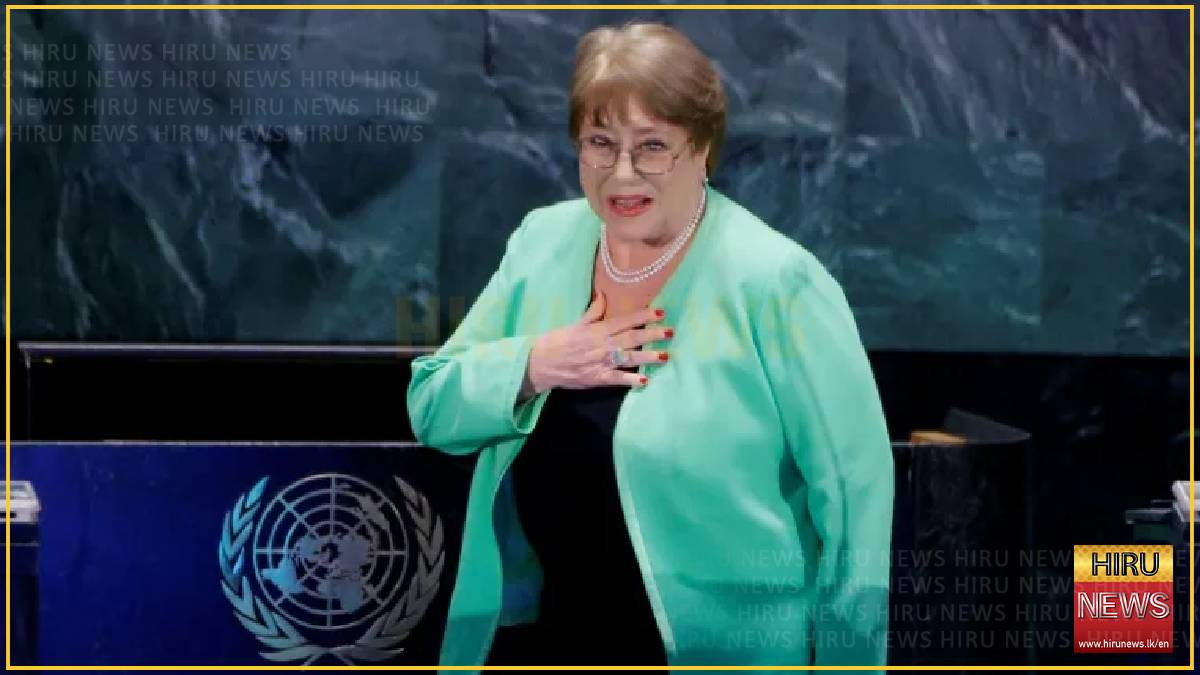
Daily Mirror attributes to Reuters, reporting on 17 September, a UN fact-finding mission’s conclusion that there are reasonable grounds to believe US forces carried out two strikes inside Iran in February amounting to war crimes — including one on the Shajareh Tayyebeh Primary School in Minab. Iranian authorities put that toll above 150, including about 120 schoolchildren.
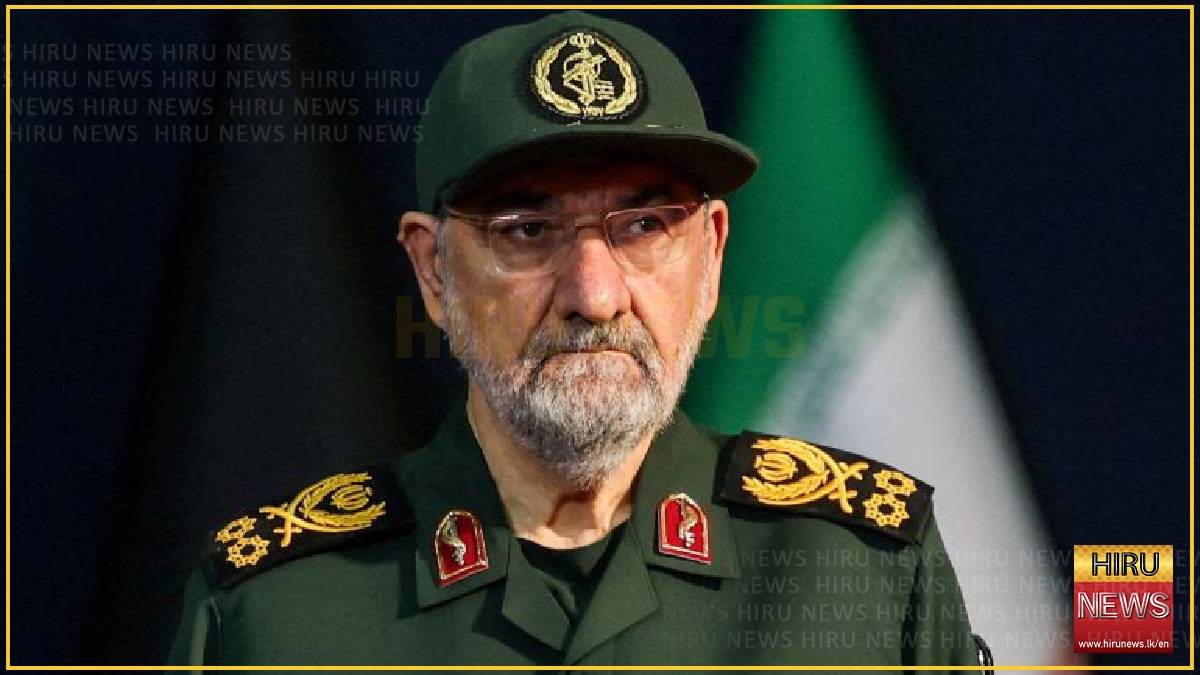
The war began in late February with US and Israeli strikes that killed Supreme Leader Ayatollah Ali Khamenei. Qatar and Pakistan have been working to restart talks since a memorandum of understanding between the two sides lapsed last month. Rezaei, who took over the security council about a month ago, is a former long-serving commander of the Islamic Revolutionary Guard Corps, and appears in the uniform of that force in the photograph both outlets ran — background neither report supplies.
Not reported
The seventh condition; what the expired US–Iran memorandum covered; whether Washington has responded to the Qatari channel; the value of the frozen assets at issue; and whether any deadline attaches to the demands.