France is sending troops and air-defence equipment to guard the Saudi oil terminal at Yanbu, while the military chiefs of Saudi Arabia, Pakistan and Türkiye prepare to meet over a possible joint response to mounting Houthi attacks.
French President Emmanuel Macron told broadcasters TF1 and France 2 that Paris would send “soldiers, radars, and defence systems” to the Red Sea port — “not to involve ourselves in any conflict, but to protect the site,” the Daily Mirror reported.
Yanbu holds major oil storage and refining capacity and sits at the western end of the East-West Pipeline, which can carry up to seven million barrels a day across Saudi Arabia to the Red Sea — the route that lets Riyadh move crude without passing through the Strait of Hormuz.
The pact its members have not yet triggered
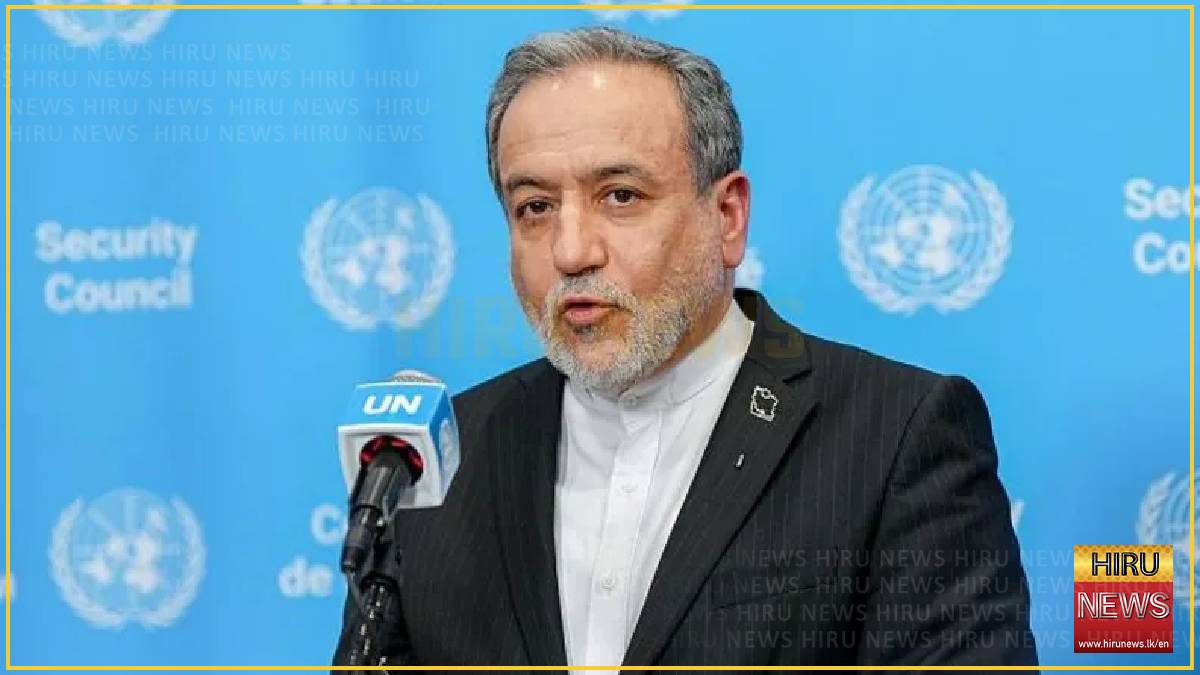
The foreign ministers of Saudi Arabia, Pakistan and Türkiye met on Thursday to arrange what the Saudi foreign ministry called an “urgent meeting” of their military chiefs of staff under the Mecca Joint Defence Agreement, signed in August. The pact treats an attack on one member as an attack on all.
It has not been formally invoked. Both Pakistan and Türkiye are acting as mediators in efforts to end the wider conflict, and neither has said what it would contribute. The three ministers condemned Houthi strikes they said had targeted Mecca and other civilian sites, while affirming Saudi Arabia’s right to defend itself.
Saudi Arabia’s Grand Mufti, the kingdom’s senior religious authority, called on soldiers to be ready to give their lives fighting the Houthis until the group is removed from power, according to the Saudi state news agency.
Strikes on Aramco facilities
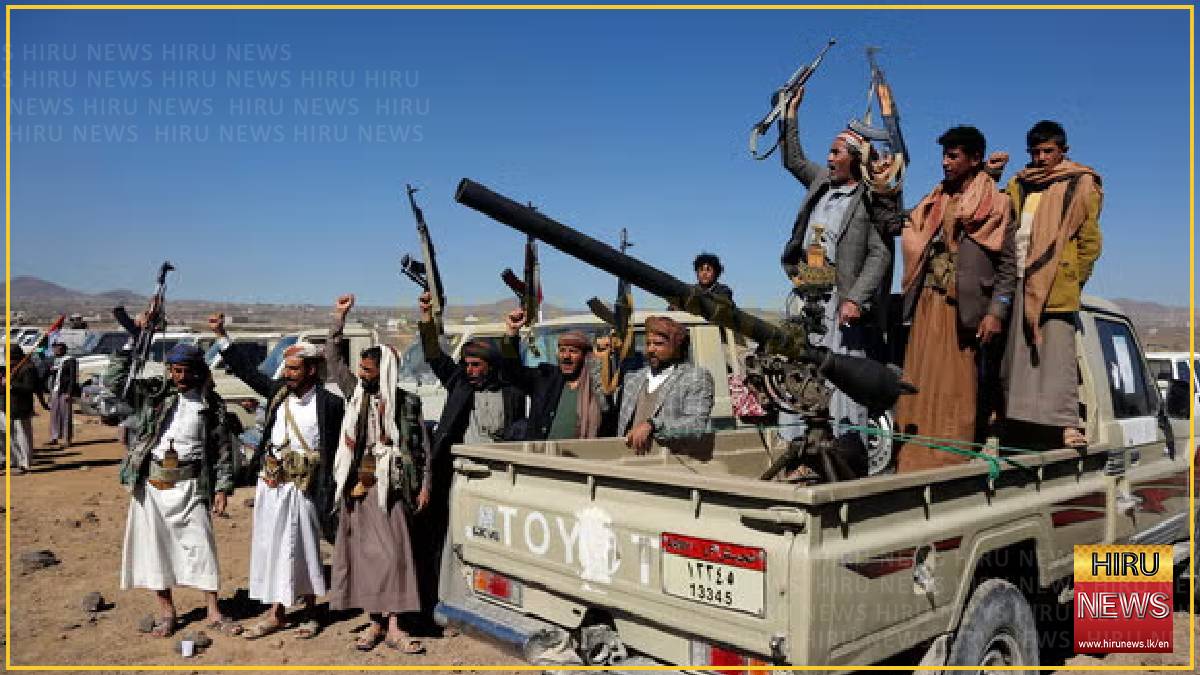
The Houthis said on Thursday they had hit state oil company Aramco’s facilities at Yanbu and a “sensitive target” in Riyadh. Saudi forces said they intercepted six ballistic missiles. Authorities have not confirmed any damage — the same pattern as the missile intercepted over Riyadh airport last week.
Flight bans tighten around Iran
Hiru News reported that Iraq’s three remaining airports handling Iran routes joined Baghdad in suspending those flights on Friday, following the United Arab Emirates and Oman a day earlier. The suspensions respond to Washington’s shift toward secondary sanctions — targeting third-country firms that deal with Iranian companies.
Mohammad Mokhber, an adviser to Iran’s supreme leader, accused regional states of “alignment with America” and warned that if Iran cannot fly, “no country in the region will have this possibility either.”
Why it matters here
Hiru dates the war to US and Israeli strikes on Iran on 28 February. Since then the Houthis have disrupted shipping at the mouth of the Red Sea and Iran has curtailed tanker traffic through the Strait of Hormuz, which carried about 20% of global oil exports before the fighting.
That squeeze is the mechanism by which the conflict reaches Sri Lanka’s economy. Brent breached US$100 a barrel this month before easing when Saudi pipeline capacity was restored, and energy costs are among the pressures First Capital cites in its call that the Central Bank will hold rates on 30 September.
At the UN General Assembly, Yemen’s Vice President Abdullah Abdulkader al-Alimi-Bawzer said the Houthis were using shipping security “as a tool for blackmail” and “taking hostage the entire global economy.”
The United States has not renewed direct military involvement, though Saudi Foreign Minister Prince Faisal bin Farhan Al Saud said the kingdom was “continuing to work with our partners in the US.”