The Ministry of Foreign Affairs has said that United States secondary sanctions penalising entities that supply goods or services to US-sanctioned vessels are a global policy measure, and not a directive aimed at Sri Lanka.
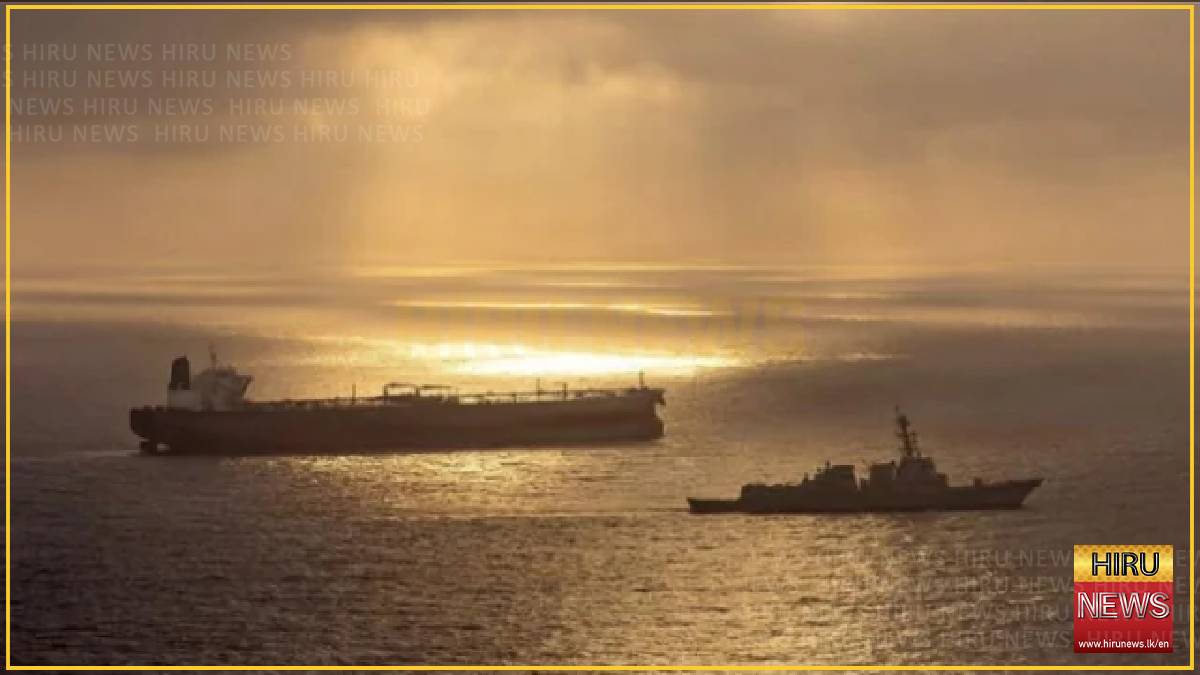
The clarification was issued by Thushara Rodrigo, Director General of Public Diplomacy and spokesman for the ministry, after repeated media queries about reports that Washington had warned Sri Lanka it could face penalties. Those queries focused on whether local firms would be exposed if they provided services to US-sanctioned ships — including Iranian vessels — sitting roughly 24 nautical miles off Sri Lanka’s territorial waters.
Rodrigo said the United States announced the secondary sanctions on August 24, setting out that any person or entity providing services to a US-sanctioned vessel risks losing access to the American financial system. He said the measure forms part of a broader policy that Washington applies globally, and does not single out Sri Lanka or any other country.
The spokesman also said the vessels affected by the restrictions are not confined to the Indian Ocean, and that similar commercial and cargo carriers are idling in other oceans as a consequence of ongoing conflicts and related geopolitical pressures.
The statement is the government’s most direct public comment since reporting that around 20 Iranian oil tankers had been left stranded off the southern coast as suppliers withdrew services under US pressure. That coverage framed the issue as a warning delivered to Colombo; the ministry’s response reframes it as the local effect of a worldwide sanctions regime.
No change to Sri Lanka’s handling of the vessels was announced alongside the clarification.