Update, 3 October. A later filing reports that the Prime Minister did announce a funding figure at the event: Rs. 33.6 billion allocated for school nutrition in 2026. Details at the end of this article.
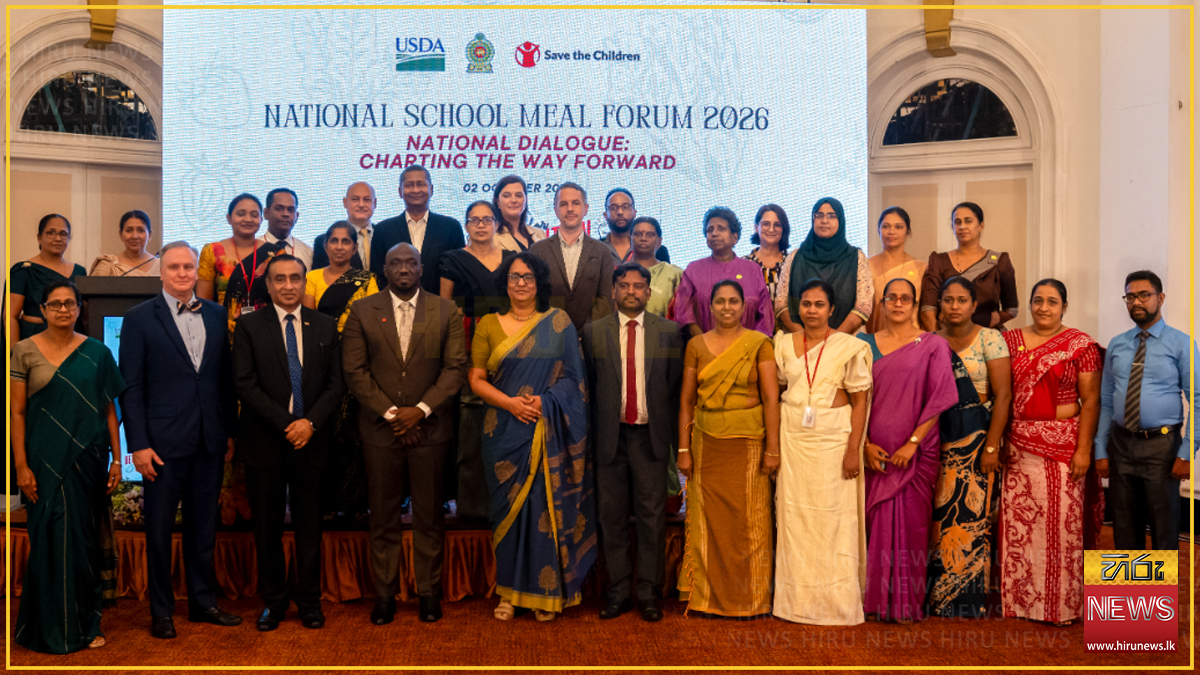
Sri Lanka has held its first National School Meal Forum, bringing government ministries, development partners, academia and other national stakeholders together to discuss how the country’s school feeding programme can be put on a more sustainable footing.
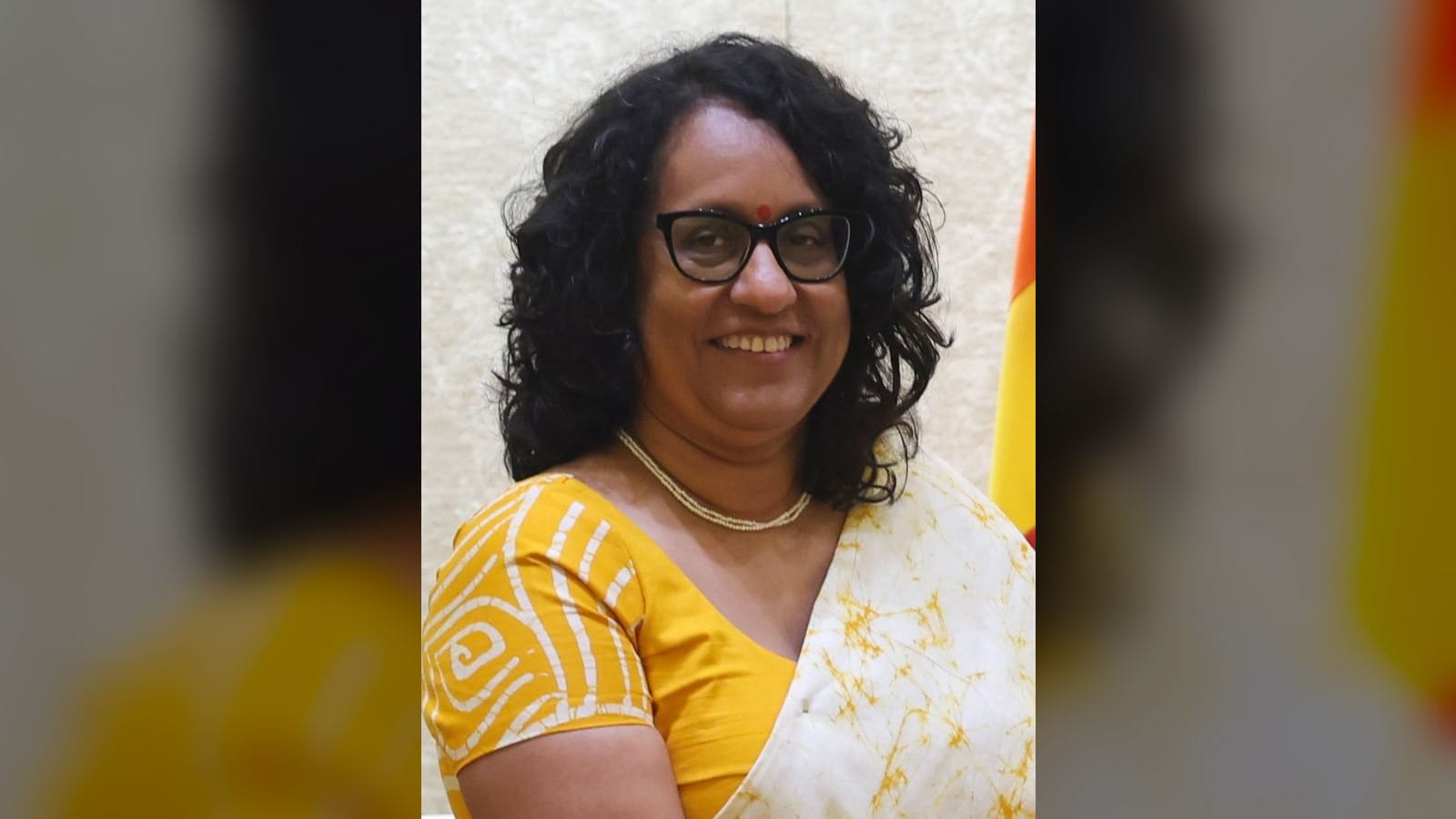
The forum was convened on 2 October by the Ministry of Education, Higher Education and Vocational Education in partnership with Save the Children, under the theme “National Dialogue: Charting the Way Forward”. Prime Minister Dr. Harini Amarasuriya, who also holds the education portfolio, attended.
School feeding is not a new commitment in Sri Lanka. Programmes date back to 1931, and the ministry currently provides meals to more than one million children in Grades 1 to 5 across over 8,000 government schools. Officials say the daily meal supports attendance, concentration and classroom participation as well as nutrition.
“Sri Lanka has a long-standing commitment to ensuring children have access to nutritious meals at school,” said B. W. G. Dilhani, Director of Education at the ministry’s School Health and Nutrition Branch. “As we look to strengthen and sustain the National School Meal Programme, greater coordination across sectors and stronger partnerships will be essential.”
The emphasis on coordination reflects a programme that depends on several funding and supply streams at once, and which has come under strain in recent years. The Prime Minister told World Food Programme officials in August that school nutrition would have to go beyond free meals to teach dietary habits if it were to address the causes of non-communicable diseases.
Update, 3 October: Rs. 33.6 billion allocated for 2026
A later Hiru News filing on the same event reports that the Prime Minister announced an allocation of Rs. 33,600 million — Rs. 33.6 billion — for the school nutrition programme in 2026. This article originally recorded that no funding commitment was announced at the forum; that was incorrect.
Dr. Amarasuriya said more than 1.5 million students across 8,990 schools currently benefit from the programme. That is a wider count than the ministry’s own figure of over one million children in Grades 1 to 5 across more than 8,000 schools cited above, and the two reports do not explain the difference — the larger number may take in beneficiaries beyond the Grades 1–5 cohort.
The allocation continues an upward line. Hiru reported in September 2025 that Rs. 32 billion had been allocated to feed 1.4 million students in 8,943 schools across all 100 education zones, at Rs. 110 per daily meal — itself double the previous year’s budget. The 2026 figure is a further rise of about 5 percent in rupee terms, alongside 47 more schools.
The Prime Minister said the government intends to move the programme beyond hunger relief into a broader strategy serving both public health and the local economy — the sourcing of produce for school meals being the link to the second. That framing matches what she told World Food Programme officials in August.
The event is referred to in this filing as the National School Nutrition Summit 2026.