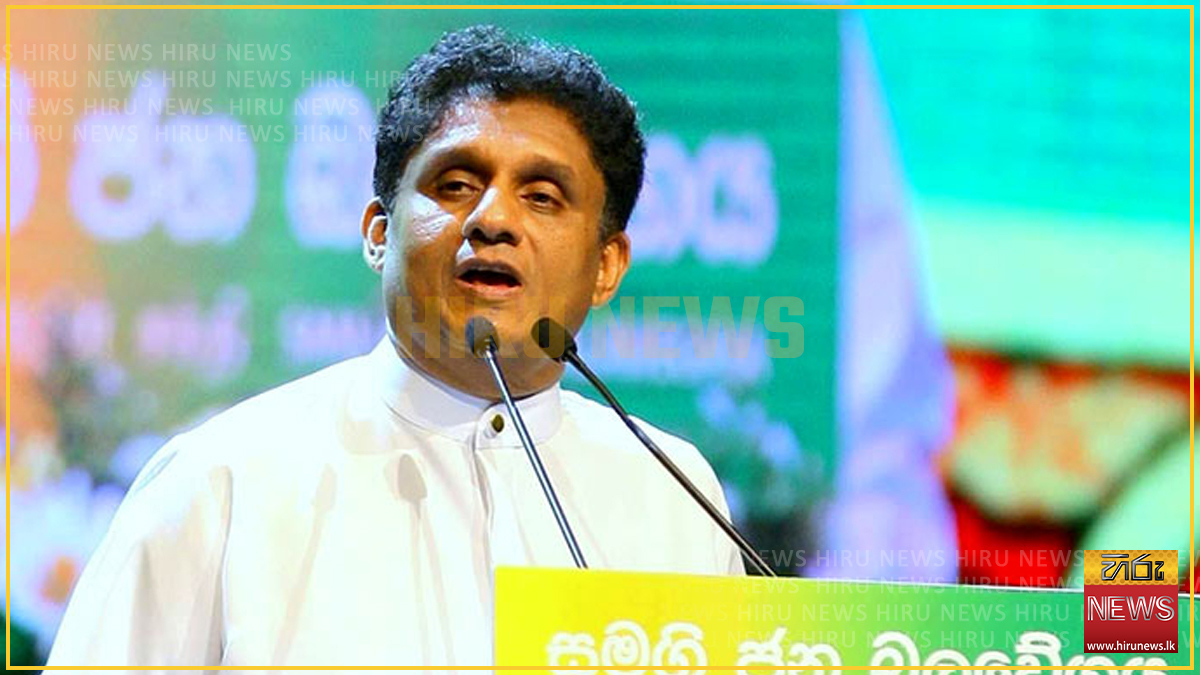
Opposition Leader Sajith Premadasa has urged the Government to introduce a practical debt relief programme for borrowers caught in microfinance debt, saying more than two million people have been trapped, Hiru News reported.
Speaking in Parliament, Premadasa cited 2023 data indicating that over two million people had been affected by exploitative microfinance lending, with women among the groups most severely affected.
From poverty alleviation to commercial lending
Premadasa set out the argument historically. Microfinance, he said, was introduced as a poverty-alleviation initiative by Nobel Peace Prize laureate Muhammad Yunus through Bangladesh’s Grameen Bank, offering affordable loans with minimal collateral requirements.
That concept, he claimed, had gradually shifted towards a commercial business model, with some lenders imposing excessively high interest rates and targeting financially vulnerable communities. Women had increasingly become the victims of such practices, he said, leaving many in persistent debt and struggling to repay.
Context
The figure Premadasa cites is three years old, and he did not offer an updated one. Microfinance indebtedness has been a recurring subject in this Parliament: the Government’s own Samurdhi lending has run to tens of billions of rupees, and household borrowing pressure has shown up elsewhere in the Central Bank’s systemic risk survey.
A relief programme of the kind Premadasa describes would require either a write-off funded from the Treasury or a statutory restructuring imposed on lenders. He did not say which he has in mind.
Not reported
Hiru’s filing does not give the date of the sitting, the debate the remarks were made in, or the source of the 2023 data. Premadasa does not specify what the relief programme would cost, who would pay for it, which loans would qualify, or whether he is proposing a write-off, an interest cap or a restructuring. The report names no lender and gives no figure for the interest rates he describes as excessive, the total value of microfinance debt outstanding, or the number of women borrowers specifically. It carries no response from the Government, the Finance Ministry or the Central Bank, and no comment from the microfinance industry.