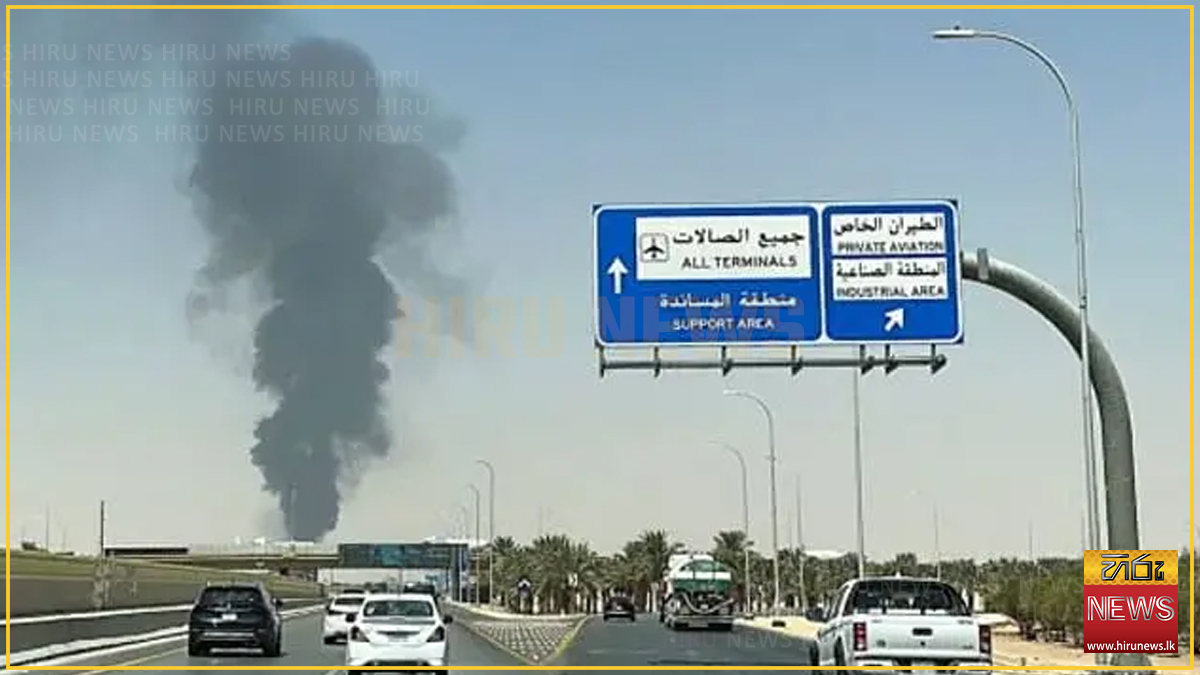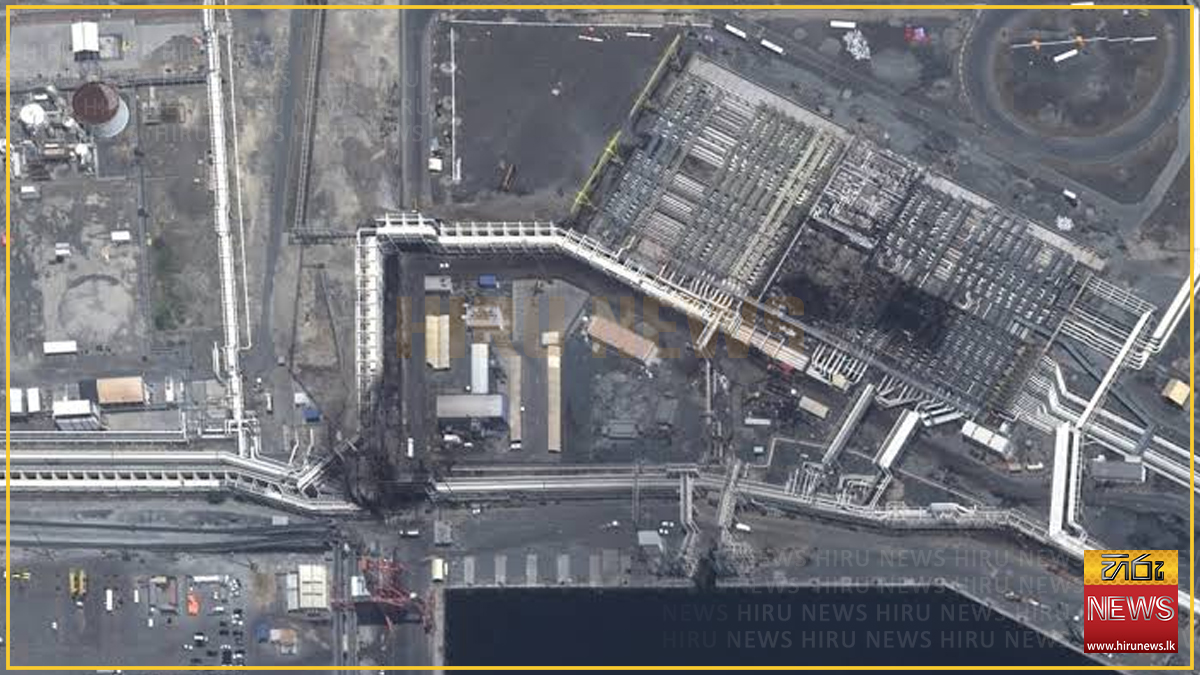
Fuel tanks at the Fujairah oil complex — the refinery and port the United Arab Emirates uses to move crude around Iran’s blockade of the Strait of Hormuz — have been struck again, in what Hiru News reports is at least the 19th attack on the Fujairah area since the war began.
Citing Reuters, the report puts the total number of Iranian missile and drone attacks on Gulf infrastructure at at least 135, and says they have caused repeated system-wide outages.
The first strikes on Fujairah, in early March, set fires that burned for three days.
The finding is about concealment, not the strikes
The substance of the Reuters work is not that Gulf infrastructure has been attacked — that is known — but that the damage has been understated.
Gulf states have, according to the report, frequently concealed the extent of it. Officially, damage has been attributed to falling debris from intercepted projectiles. Reuters found that the attacks hit the most important facilities in the region directly, and that precision strikes by Iran and allied groups have disabled critically important equipment.
That pattern is visible in this desk’s own archive, from the other side. The UAE Defence Ministry has been consistently forthcoming about what it stopped: by 8 May it had published a running tally of 551 ballistic missiles, 29 cruise missiles and 2,263 drones intercepted, along with a civilian death toll. Damage to the facilities themselves has never been itemised in the same way.
When this desk reported a drone-sparked fire at a Fujairah oil facility on 4 May, the detail that reached the public came from the Fujairah Media Office and concerned casualties — three Indian nationals moderately injured — rather than any account of what had burned.
Why Fujairah specifically
Fujairah sits on the UAE’s Gulf of Oman coast, outside the Strait of Hormuz. That geography is the whole point of it: the complex is how the UAE loads crude without passing through the strait Iran has blockaded.
Striking it attacks the bypass rather than the chokepoint. Nineteen attempts on one complex indicate sustained targeting of the route rather than opportunistic strikes.
The pressure is registering in oil markets. Hiru separately reports that the International Energy Agency has agreed to release more than 20 million barrels of diesel, along with remaining emergency petroleum reserves, to contain rising prices.
Sri Lanka is a diesel-importing economy, and the Ceylon Petroleum Corporation’s landed costs track exactly these markets. No Sri Lankan filing has yet connected the IEA release to domestic fuel pricing.
Not reported
This account rests on a single verified newsroom relaying Reuters. The underlying Reuters report was not retrievable from this desk, so its methodology, sourcing and the period it covers cannot be checked, and no second verified outlet had carried it at the time of writing.
Hiru does not date the latest Fujairah strike, say how much of the complex was affected, report casualties, or say whether loading operations were interrupted. It does not break the 135 attacks down by country, by target type or over time, so it is not possible to say whether the tempo is rising or falling.
Neither the facilities Reuters found were struck nor the “critically important equipment” said to have been disabled are identified. No Gulf government is quoted responding to the concealment finding, and neither Iran nor any allied group is reported as having claimed the latest Fujairah attack.
On the IEA release, Hiru gives no start date, no participating countries and no total volume beyond the diesel figure.