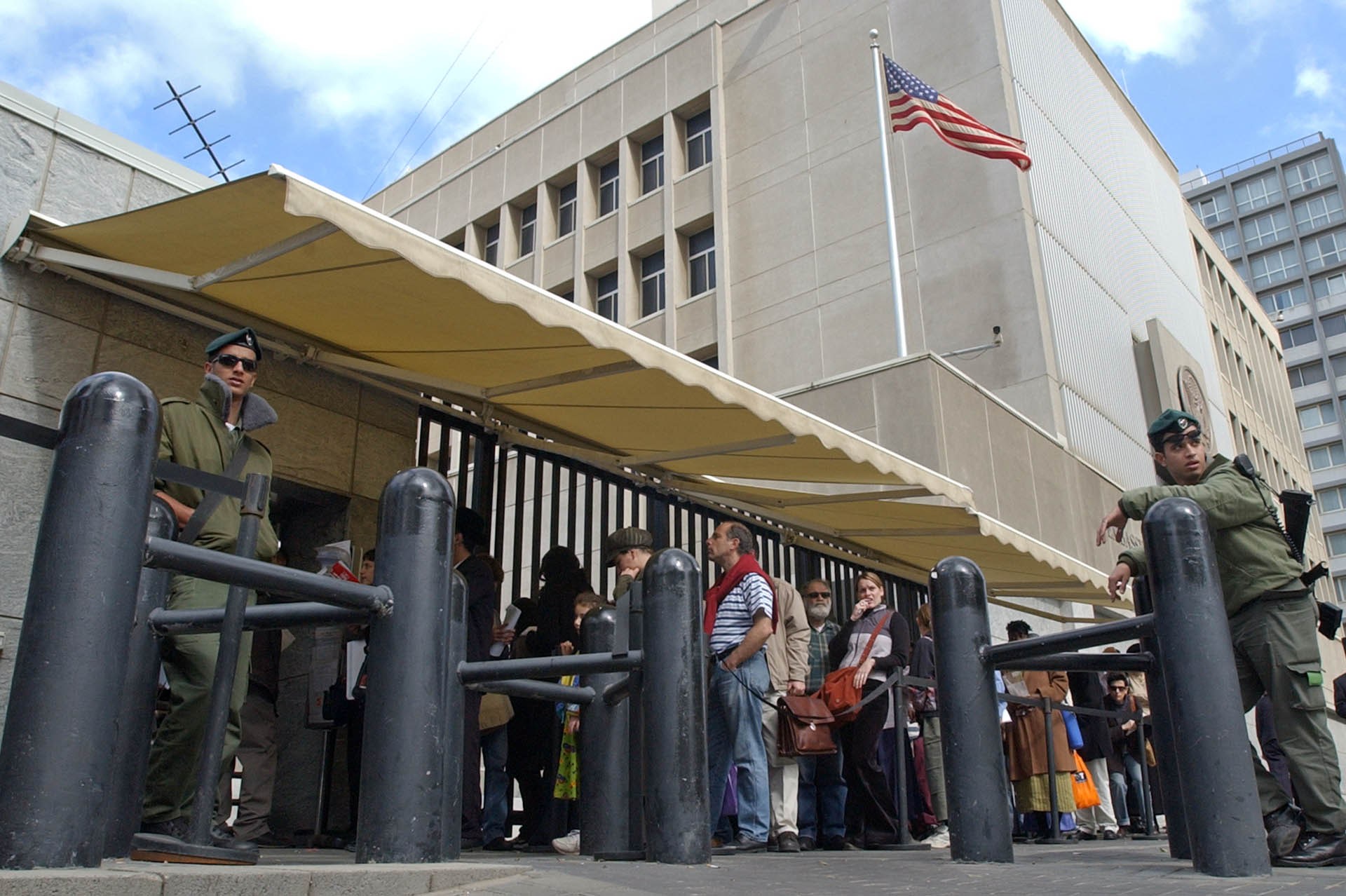
The US State Department says it has revoked more than 300,000 visas since President Donald Trump began his second term, a figure it describes as faster than any previous administration.
State Department spokesman Tommy Pigott released the number on social media, Al Jazeera reported on Monday. An official said “the vast majority of these revocations were due to criminal activity, public safety concerns, immigration violations, fraud or misrepresentation, or other information indicating the individual was no longer eligible for a visa.”
Hiru News carried the figures in Sinhala the following morning, quoting Pigott as saying the administration has no tolerance for foreign nationals in the United States who break the law, commit fraud, or act in ways that threaten national security.
The breakdown
Of the revocations the department attributes to criminal activity or public safety:
- 25% for assault and related crimes
- 22% for driving under the influence
- 7% for theft
- 7% for substance abuse or distribution
Separately, more than 4,000 were for people the department says engaged in or facilitated birth tourism.
The pace has accelerated sharply
The running total is the part worth reading twice. The department said it had passed 100,000 revocations in mid-January and 175,000 by 10 August. Those two markers imply roughly 11,000 revocations a month across the first seven months of the year.
Getting from 175,000 to 300,000 in the ten weeks since takes about 54,000 a month — close to five times the earlier rate. Neither filing states this; it follows from the department’s own published milestones.
Rights advocates and experts have condemned the administration’s social-media screening of visa holders, which they say threatens free speech and amounts to surveillance and the singling out of immigrants.
Not reported
Neither filing breaks the revocations down by nationality or visa class, so there is no figure for how many Sri Lankan passport holders are among them, and no indication whether student, work or visitor visas are affected differently. Neither says how many of those whose visas were cancelled were inside the United States at the time, nor how many have since been removed.
The department has not published the underlying dataset, and the percentages it released cover only the criminal and public-safety category rather than the full 300,000.