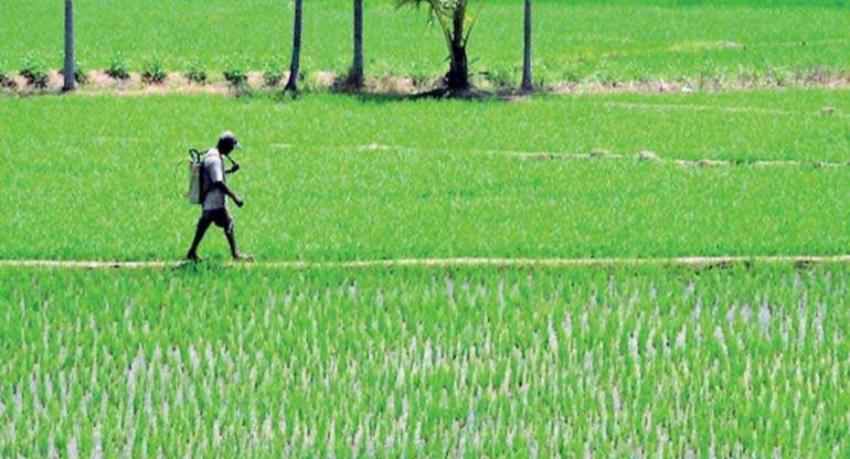
Sri Lanka earned more than Rs. 150 billion from minor crop exports in the first nine months of 2026, with cinnamon the largest single earner at Rs. 76 billion.
Cinnamon alone accounted for roughly half the minor-crop total, NewsFirst reported at 7.29 a.m. on Wednesday, citing the Department of Cinnamon Development.
Director General Janaka Lindara said the cinnamon figure represents an increase of Rs. 2,278 million — about Rs. 2.3 billion — on the same period last year.
Sri Lankan cinnamon products are currently exported to 90 countries, and the department is targeting Rs. 100 billion in cinnamon export revenue by the end of the year.
What the year-end target implies
The target is reachable but not automatic, and the arithmetic is worth setting out because the filing does not.
Rs. 76 billion over nine months is a run rate of about Rs. 8.4 billion a month. Getting from Rs. 76 billion to Rs. 100 billion requires a further Rs. 24 billion in the final quarter — roughly Rs. 8 billion a month, which is marginally below the pace already achieved.
On its own figures, then, the department’s year-end target does not require the trade to accelerate. It requires it to hold.
The growth is smaller than the headline suggests
The Rs. 2,278 million increase is the other number worth reading carefully. Against a base of roughly Rs. 73.7 billion for the same nine months of 2025, it works out at growth of about 3 per cent in rupee terms.
That is a modest gain for a crop presented as the sector’s success story — and because the figure is quoted in rupees rather than dollars, it does not separate volume or price growth from the effect of exchange-rate movement. The filing gives no dollar equivalent and no tonnage, so what share of the increase reflects more cinnamon actually leaving the country cannot be established from it.
Context
Minor crops — also called minor export crops — cover spices and related products including cinnamon, pepper, cloves, nutmeg, cardamom and cocoa. They sit outside the big three of tea, rubber and coconut, and cinnamon is the category’s anchor: Sri Lanka is the dominant world source of true cinnamon, Cinnamomum verum.
The figure sits within a broader export picture this desk has tracked through the year. Sri Lanka’s merchandise exports reached US$13.61 billion over nine months, and September was a record month at US$1,377 million.
Not every spice line has moved the same way. India’s halt on dried chilli imports in late October showed how quickly a single destination market can shift prices in this category.
Not reported
The filing does not break the Rs. 150 billion total down beyond cinnamon, so the composition of the remaining Rs. 74 billion — pepper, cloves, cardamom, nutmeg, cocoa and the rest — is not stated, and nor is whether any of those lines fell.
It gives no volumes, no dollar figures, no destination breakdown among the 90 countries, and no average price per kilo. It does not say whether the Rs. 2,278 million increase is in nominal rupees, nor what the comparable 2025 total for all minor crops was, so the growth rate for the category as a whole cannot be derived.
No explanation is offered for what is driving the cinnamon gain, and nothing is said about the sector’s persistent issues — processing quality, peeler shortages or the price gap between Sri Lankan true cinnamon and cassia.
A note on sourcing: this article rests on a single verified newsroom. Searches of the Daily Mirror, EconomyNext, Daily FT, Hiru and The Island found no independent account of the department’s figures at the time of writing.