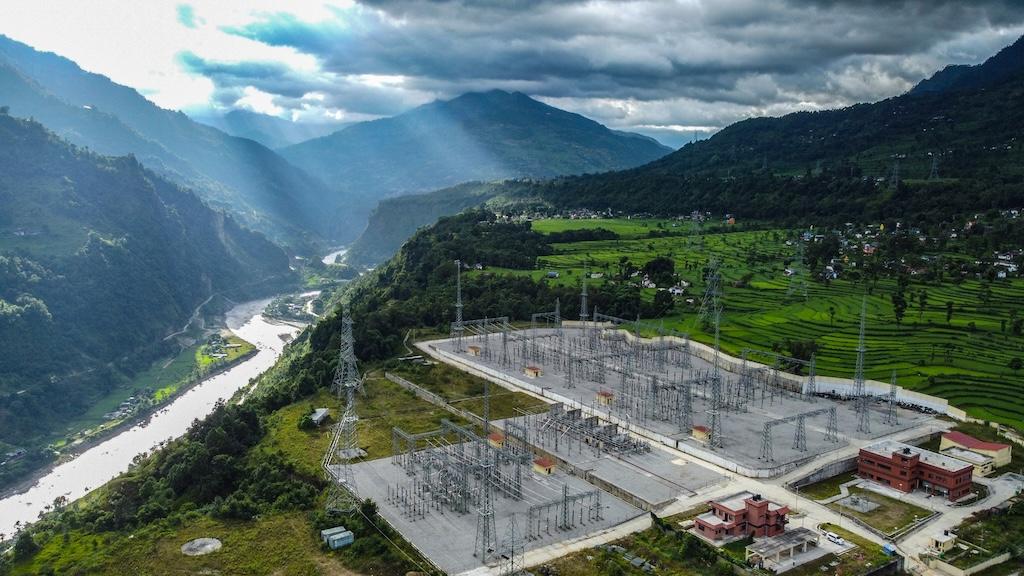
The Asian Development Bank has formally launched its Pan-Asia Power Grid Initiative (PAGI), committing to mobilise $50 billion by 2035 to connect electricity networks across 22 economies and accelerate the region’s clean-energy transition.
ADB President Masato Kanda announced the initiative at the opening of the Asia Clean Energy Forum (ACEF) 2026 at the bank’s Manila headquarters. He said the West Asia conflict had laid bare the energy vulnerabilities of countries that depend on isolated, fossil-heavy national grids.
“We have been painfully reminded in recent weeks that, when it comes to energy security, no country can go it alone,” Kanda said. “We must build a power system that connects our economies, strengthens our resilience, and delivers energy across the region. Delay will mean higher prices, weaker growth, and lost opportunities for millions of people.”
The ADB will fund half of the $50 billion target, with the rest expected to come from co-financing partners and private capital. By 2035, PAGI aims to connect 22,000 circuit-kilometres of transmission lines, integrate 20 gigawatts of renewable energy into the regional grid, cut power-sector emissions by 15% and support the creation of 840,000 jobs.
Kanda said more than 350 million people across Asia and the Pacific have limited access to electricity, with over 53 million having no access at all. Regional energy demand is projected to almost double by 2030, driven by rapid urbanisation and surging consumption from power-hungry artificial intelligence data centres.
For Sri Lanka, PAGI provides the institutional backbone for the long-discussed India–Sri Lanka grid interconnection, which the ADB has previously identified as the island’s most promising power option. The framework would also allow electricity imports during shortages and let the country tap hydropower from Nepal and Bhutan and solar capacity from India.
The launch comes as Sri Lanka faces escalating drought concerns tied to the forecast El Niño event that threatens hydropower output.