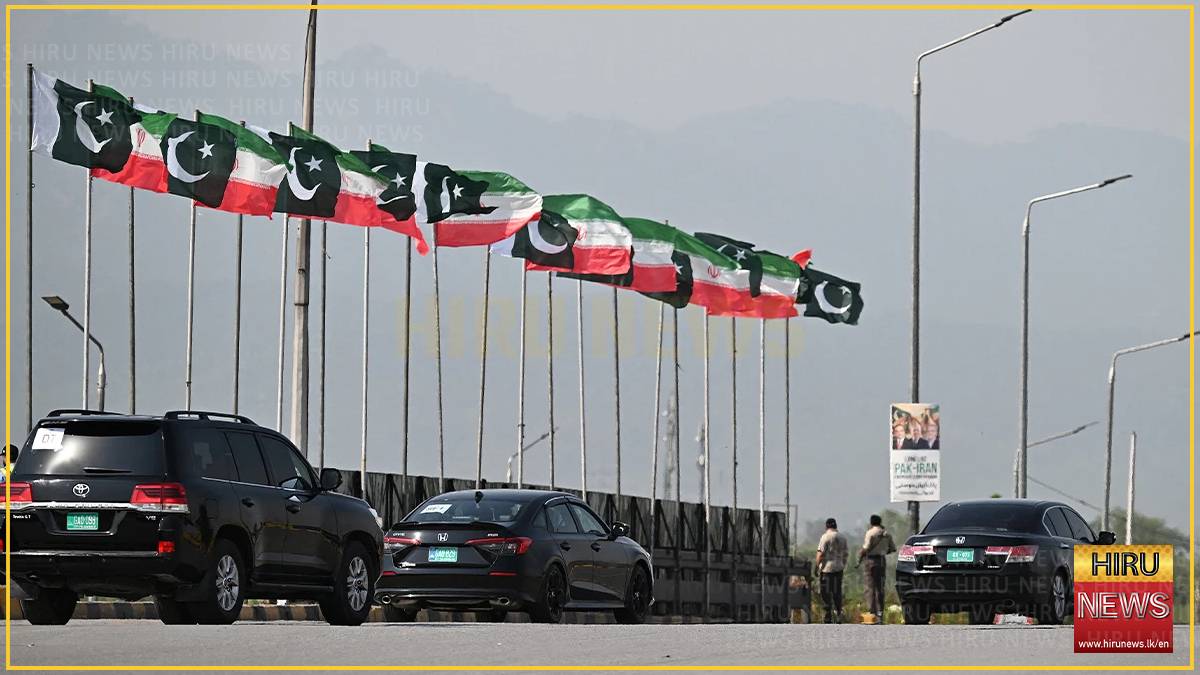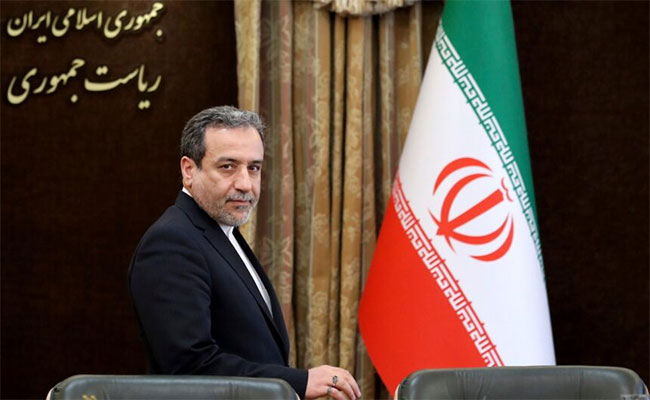
Iranian Foreign Minister Abbas Araghchi is expected to arrive in Islamabad on Friday night as Pakistan prepares to host a second round of direct negotiations between the United States and Iran, according to regional media reports and statements from Pakistani officials.
Al Arabiya reported that Pakistan could formally announce the resumption of Tehran-Washington talks as early as Friday, with attention now turning to the weekend for the next diplomatic round.
Pakistan’s Foreign Office said Deputy Prime Minister and Foreign Minister Ishaq Dar and Araghchi had exchanged views on regional developments, the ceasefire and diplomatic efforts being pursued by Islamabad in the context of US-Iran engagement. Dar emphasised the need for sustained dialogue to resolve outstanding issues.
The Pakistani statement said Araghchi appreciated Islamabad’s “consistent and constructive facilitation role” and that both sides agreed to remain in close contact.
Newswire later reported that Araghchi, Dar and Pakistan Army Chief Field Marshal Asim Munir held a three-way phone call on Thursday evening to discuss “regional developments and issues related to the ceasefire.” Pakistani officials said Dar underscored the importance of sustained dialogue and engagement in the context of US-Iran engagement, with Araghchi expected to arrive in Islamabad with a small government delegation as soon as Friday.
The diplomatic push comes amid continued military pressure. Israel said on Friday it was ready to resume military operations, while US President Donald Trump said his blockade on Iran was “100% effective”, asserting that military and economic pressure remains in place even as diplomacy continues.
The second round follows extensive Pakistani preparations earlier this month and builds on Vice President JD Vance’s mission to Islamabad. Pakistan has increasingly positioned itself as a communication channel between Washington and Tehran, maintaining ties with both capitals.
The Hormuz shipping lane remains the central economic flashpoint for Sri Lanka: a successful negotiation could reopen fuel import routes, while a breakdown risks a renewed oil price spike.