The Central Bank of Sri Lanka met bankers and licensed currency dealers on Wednesday as authorities weighed tighter foreign exchange regulations to contain mounting pressure on the rupee, the Daily FT reported.
The meeting came against the backdrop of heightened dollar demand and global uncertainty linked to the Middle East conflict, both of which have driven a sustained slide in the local currency through May.
The indicative telegraphic transfer rate published by CBSL on the same day ranged from Rs. 342.63 buying to Rs. 354.03 selling, the widest published band in the current depreciation cycle.
Specific regulatory measures were not disclosed ahead of the consultation, but the move signals a more interventionist stance from the monetary authority. The session is the first formal CBSL engagement with dealers since the rupee’s record depreciation accelerated last week.
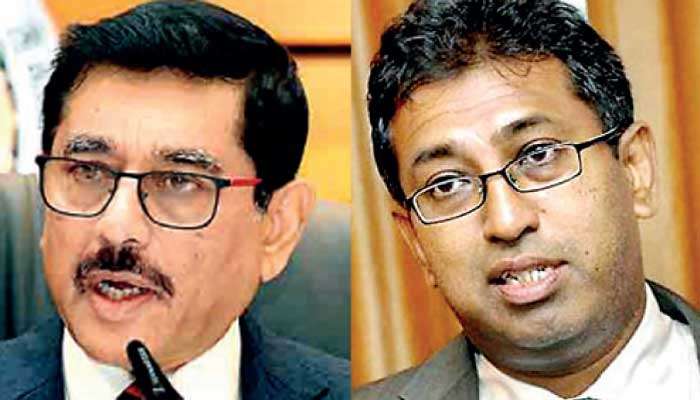
The intervention follows opposition warnings that the foreign exchange market has effectively seized up. SJB MP Harsha de Silva said earlier this week there were no bids or offers in the market, with the Central Bank acting as the sole counterparty for dollar transactions.
The rupee hit a record Rs.352.50 in TT selling rates earlier in the week and has been ranked among Asia’s worst-performing currencies in May. The United National Party has framed the slide as a Rs.62 fall from Rs.292 at the time of the Wickremesinghe handover.
CBSL Governor Nandalal Weerasinghe has previously argued that the depreciation reflects external shocks and that a weaker rupee supports exports. The shift toward formal market controls suggests authorities now see the slide as approaching limits that warrant direct intervention.
Sri Lanka is awaiting a $700 million IMF disbursement following the Executive Board review scheduled for May 27.