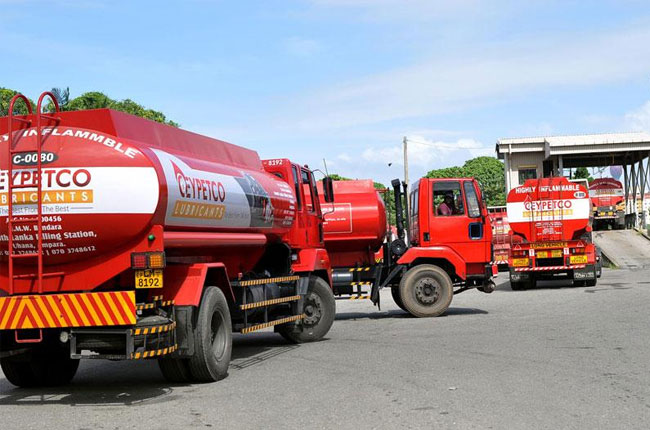
The Central Bank of Sri Lanka (CBSL) has projected a significant rise in the country’s fuel import expenditure in 2026, citing geopolitical tensions in the Middle East and continued volatility in global oil markets as the principal drivers.
In its Annual Economic Review for 2025, the Central Bank notes that fuel imports have averaged close to 20% of Sri Lanka’s total import bill over the past decade, making the energy line item one of the most exposed to external price shocks.
Despite higher import volumes of crude oil and refined petroleum in 2025, total fuel-import expenditure fell from USD 4.4 billion in 2024 to USD 4 billion in 2025. The Central Bank attributed the decline to lower international prices for crude, refined products and coal. The average import price of crude oil fell from USD 84.7 per barrel in 2024 to USD 73.2 per barrel in 2025, broadly in line with global benchmarks.
That benign price environment allowed the cost-reflective domestic pricing mechanism to deliver retail relief through the year. By the end of 2025, prices for Petrol 92-Octane, auto diesel and kerosene had fallen by Rs. 15, Rs. 9 and Rs. 8 respectively against the previous year. Fuel consumption rose 7.4% over the same period, supported by improving domestic economic activity.
The picture has shifted sharply in 2026. The Central Bank notes that fuel prices were “significantly revised upward outside the regular pricing mechanism” in March 2026 in response to escalating Middle East conflicts — a reference to the wave of administrative price adjustments that followed the Hormuz disruption and Iran-Israel hostilities.
The fresh CBSL forecast lands as Brent crude has hovered above USD 100 in recent sessions and as the CBSL Snapshot has confirmed continued external sector pressure, reinforcing the macroeconomic case for the government’s fuel-cost contingency planning. The Annual Economic Review was formally presented to President Anura Kumara Dissanayake on April 20 and is the primary year-end macro reference used by ratings agencies and multilateral lenders assessing Sri Lanka’s reform trajectory.