China called for calm and restraint on Monday following the United States’ move to blockade the Strait of Hormuz after weekend talks with Iran collapsed in Islamabad.
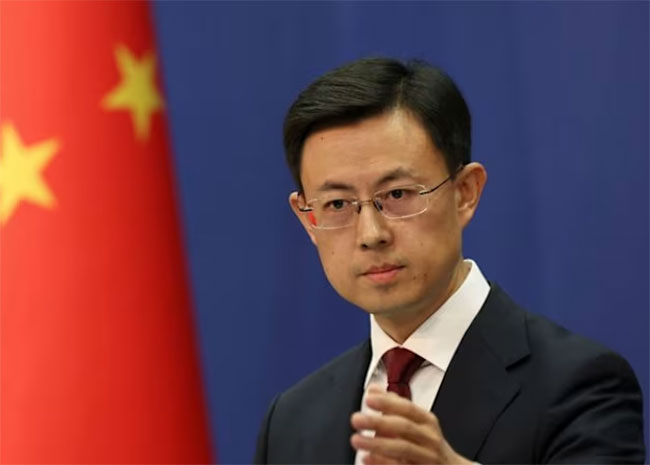
Foreign ministry spokesperson Guo Jiakun told a regular press briefing that keeping the Strait of Hormuz “safe, stable and unimpeded” served the interests of the international community. Before the war, most Iranian oil exports were shipped to China, the world’s largest crude importer.
“China hopes the relevant parties will abide by the temporary ceasefire arrangements, remain committed to resolving disputes through political and diplomatic means, and avoid a resumption of hostilities,” Guo said. He added that Beijing stood ready to “play a positive and constructive role” in resolving the crisis.
Guo also rejected reports that China had plans to supply weapons to Iran, calling them “groundless smears and malicious associations.” The denial is significant — last week, President Trump threatened 50 percent tariffs on imports from any country supplying Iran with military weapons, citing intelligence that China had provided shoulder-fired anti-aircraft missiles to Tehran.
“China has consistently taken a prudent and responsible approach to arms exports,” Guo said, adding that its controls were in line with domestic laws and international obligations.
China and Pakistan had backed peace talks in March while urging an immediate ceasefire and the restoration of normal navigation through the Strait, a conduit for roughly a fifth of global oil and gas supplies.
The diplomatic response comes as oil prices surged past $100 following the US blockade activation and the IRGC warned that no port in the Persian Gulf would be safe. For Sri Lanka, China’s position is closely watched given ongoing bilateral fuel supply discussions between Colombo and Beijing.