Ceylon Petroleum Corporation’s (CPC) oil import bill for May rose to US$521 million — about 3.4 times the US$152 million spent in December 2025 — Deputy Finance Minister Anil Jayantha said, citing the Middle East conflict as the driver.
The minister said the monthly bill is expected to fall to US$332 million in June and US$241 million in July as global prices ease. Sri Lanka does not have the storage capacity to hold large reserves and ride out sharp price fluctuations, leaving the import bill exposed to spot-market swings.
A Central Bank official separately said CPC spent US$1 billion on oil imports in the first four months of 2026, against US$1.5 billion for the whole of 2025 — a baseline already covered in CBSL Governor Weerasinghe’s May 18 briefing and Jayantha’s May 18 economisation appeal.
Cumulative Q1 energy costs for all three fuel retailers reached US$1,281.5 million, consuming roughly 20% of Sri Lanka’s total import budget and draining foreign exchange reserves.
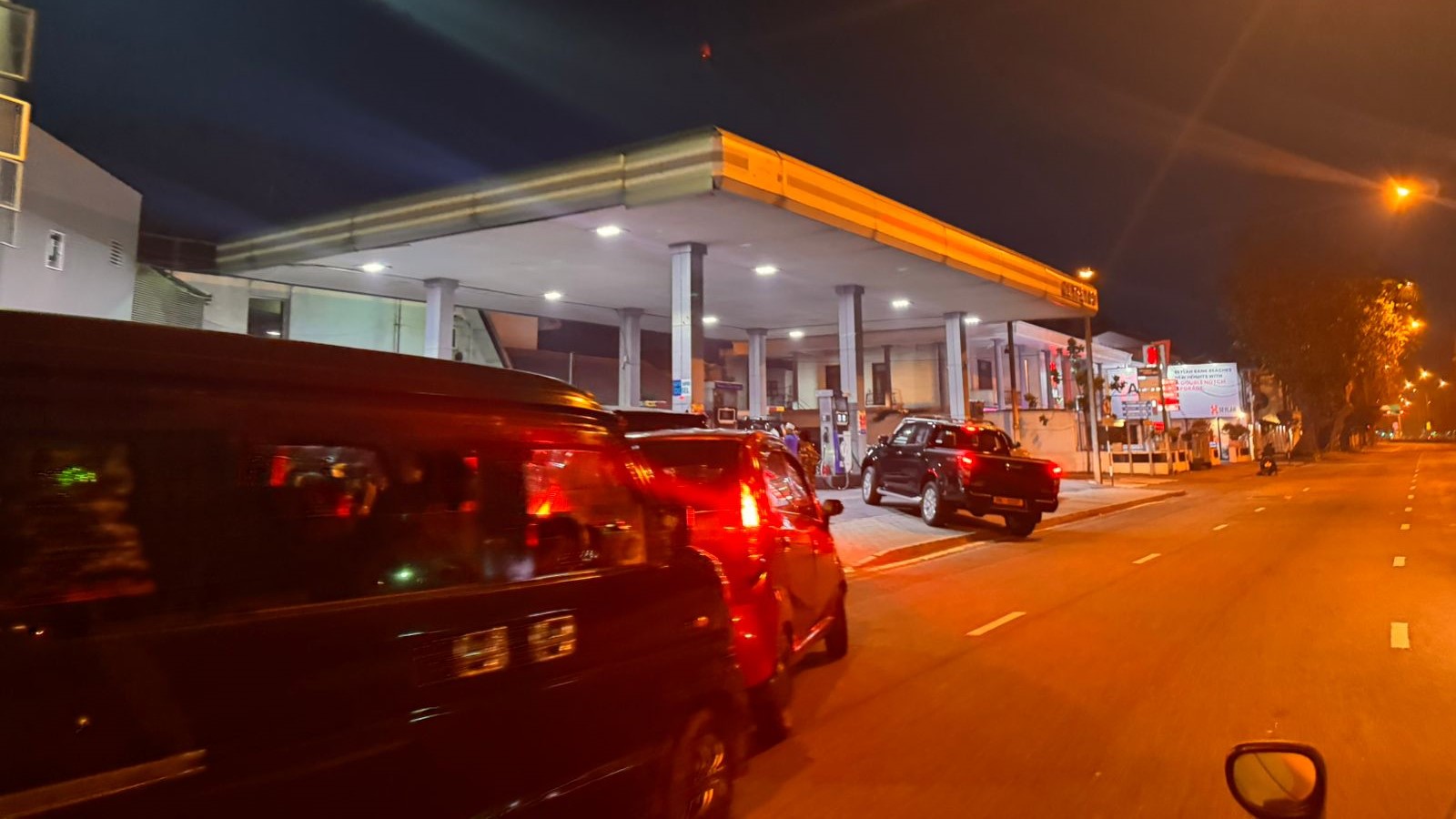
The May figure is the steepest single-month bill disclosed publicly, exceeding the prior Rs.720 per litre diesel cost framing AKD used on May 13. The shock followed the official closure of the Strait of Hormuz on March 2, which pushed Brent above US$100 per barrel for the first time in four years and forced authorities to briefly revive QR-code-based fuel rationing amid panic buying.
The government has said it will maintain continuous fuel and power supply despite higher prices, with the rupee’s recovery to Rs.329 on Friday offering the first sustained relief on the import-cost trajectory since the crisis began.