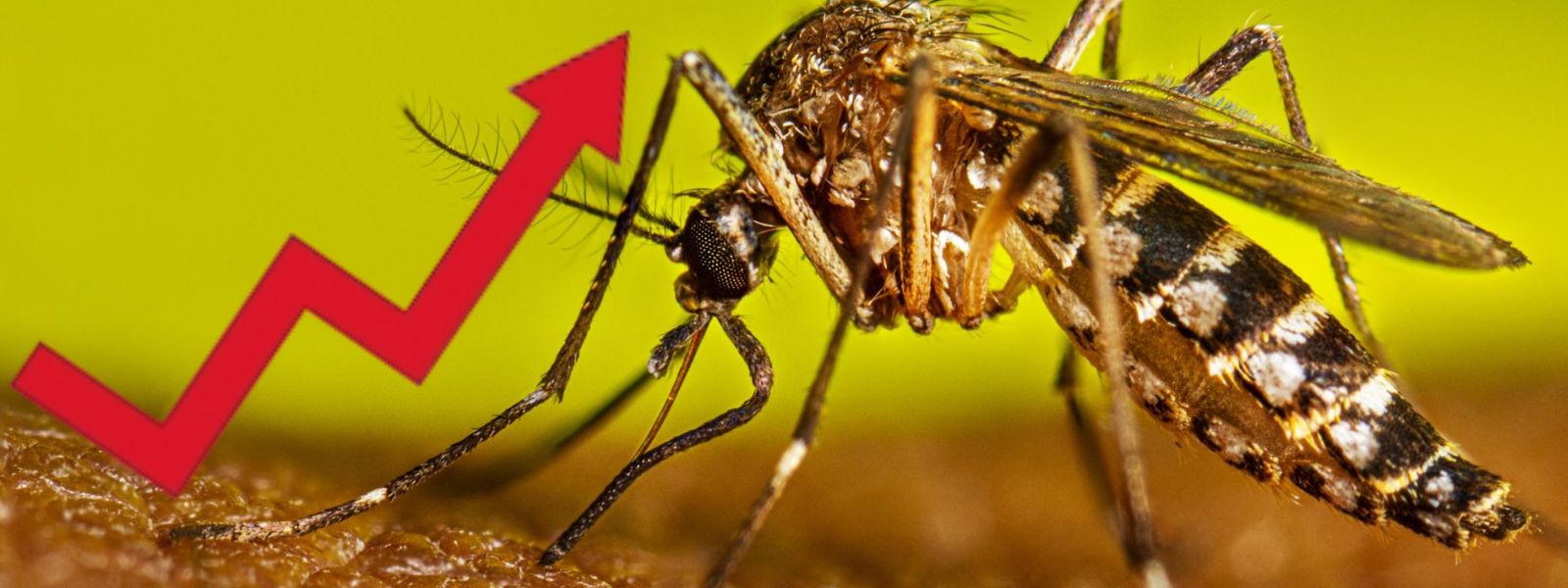
The National Dengue Control Unit (NDCU) has confirmed 25,846 dengue cases reported across Sri Lanka so far in 2026, with the Ministry of Health reporting a sharp rise across seven districts — Colombo, Gampaha, Kalutara, Galle, Matara, Hambantota and Ratnapura — and 4,617 patients recorded in April alone. Twelve dengue-related deaths have been confirmed, including two children from Colombo and Ratnapura, NDCU Community Physician Dr Prashila Samaraweera told reporters at a media briefing on May 4.
Dr Samaraweera said the highest case counts are concentrated in Colombo, Gampaha, Matara, Galle, Ratnapura and Kalutara, along with the Colombo Municipal Council area, and attributed the rise to intermittent rainfall and favourable conditions for mosquito breeding. NewsFirst, citing Dr Samaraweera, reported on May 5 that the NDCU’s special eradication programmes will commence on May 6 in high-risk zones, focusing on the Colombo, Gampaha and Galle districts.
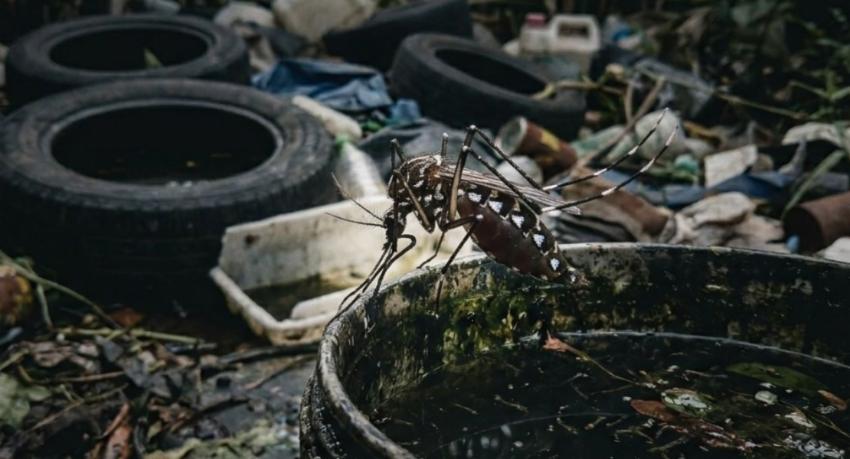
The April caseload pushes the western and southern coastal belts back into peak-season territory. Colombo and Gampaha are perennial hotspots; Kalutara’s inclusion in the special-programme tier indicates fresh clustering. The Galle, Matara and Hambantota concentrations track the southern monsoon-onset window when stagnant water in construction sites, blocked drains and discarded containers fuels Aedes aegypti and Aedes albopictus breeding.
Health authorities have not detailed which dengue serotypes are circulating or whether outbreak strains differ from the 2024 and 2025 seasons. Vector-control measures typically include household premises inspections, fogging in cluster zones, fines for unattended breeding sites and public messaging on container management.
Dr. Samaraweera advised the public to seek immediate medical attention if a fever persists for more than two days to determine whether it is dengue, urging that no medication other than paracetamol be taken until consulting a doctor and that mosquito repellent be used to limit exposure. Citizens were also urged to clear stagnant water from rooftops, tyres, refrigerator drip trays and discarded receptacles. Confirmed dengue cases require platelet monitoring; severe dengue can progress to haemorrhagic fever or shock syndrome.
The April figure does not yet include the Easter and New Year period travel return wave, which typically lifts case counts in the first half of May.
Sources: NewsFirst; Ada Derana; Newswire; NewsFirst.
Sri Lanka’s Health Ministry has allocated Rs. 3.6 billion for primary healthcare upgrades; separately, non-communicable diseases account for 83% of deaths in the country.