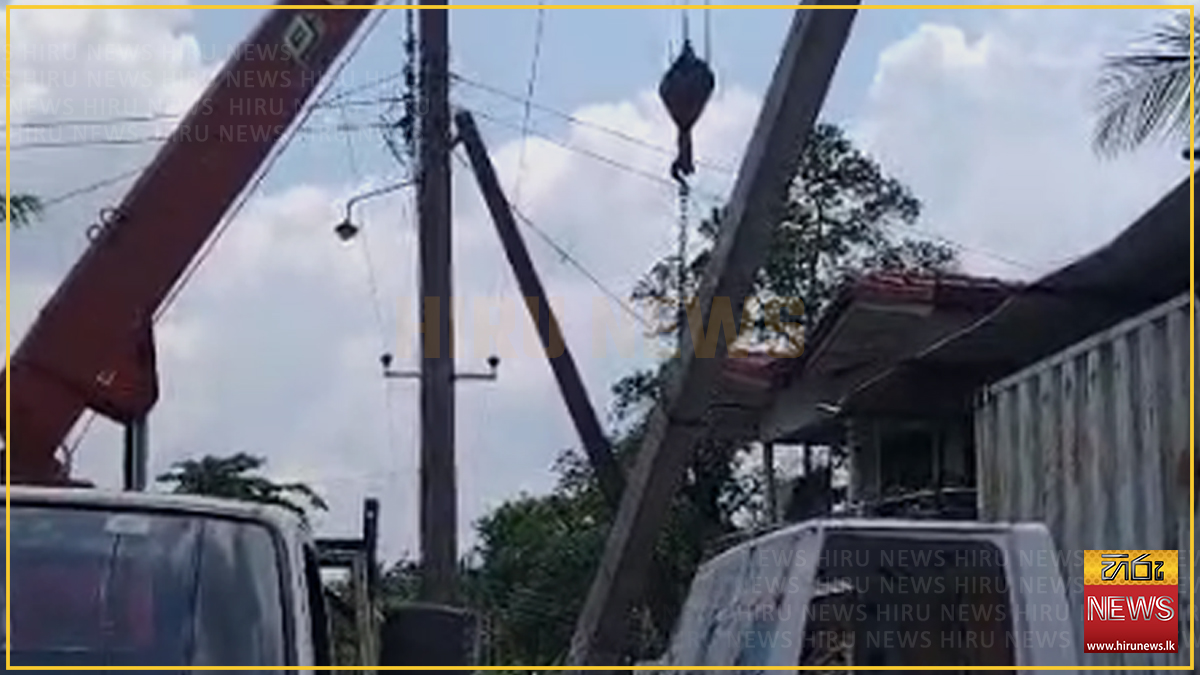
The fever outbreak in the Deniyaya area has been traced to a group of viruses commonly associated with the human digestive tract that spread through contaminated water or food, Southern Province health officials said, as the government moved to clean local water sources to halt transmission.
Bio-samples collected from patients and analysed at Karapitiya Hospital in Galle linked the illness to enteric viruses, Southern Province Health Services Director N. G. S. Panditharatne told NewsFirst on Friday. Deputy Health Minister Hansaka Wijemuni said there was currently no risk of the disease spreading rapidly and urged the public not to panic.
A Ministry of Health team had visited Deniyaya on Thursday and an investigation report from the Epidemiology Unit was expected on Friday, Mr. Panditharatne said. Earlier in the week, Specialist Dr. Palitha Karunapema had confirmed the viral attribution to Ada Derana, hours after Matara District Director of Health Services Dr. Sumith Manatunga announced the unit’s deployment.
The findings follow the temporary closure of four schools in the Deniyaya zone on May 7 and 8 after a sharp rise in absenteeism. Deniyaya National School, Deniyaya St. Matthew’s School, Deniyaya Rajapaksa College and the primary section of Pallegama Siddhartha School were shut on the recommendation of the Hettigoda Divisional Director of Education.
A special discussion will be held on Monday, May 11 under the patronage of the Southern Provincial Governor on next steps for schools in the Deniyaya Education Zone, the health director said.
Sri Lanka does not have a routine vaccination programme for the enteric virus group implicated in the outbreak, and classroom-based clusters are typically managed through symptom surveillance, short-term closures and improvements to water and sanitation. Public health officials said household-level boiling of drinking water, hand hygiene and food-handling precautions were the most immediate protective measures available to families in the affected divisions.