University of Colombo economist Professor Priyanga Dunusinghe has called for future vehicle import policy to be formulated around genuine necessity rather than dealer demand, warning that importing vehicles without real underlying demand is draining the country’s scarce foreign exchange reserves.
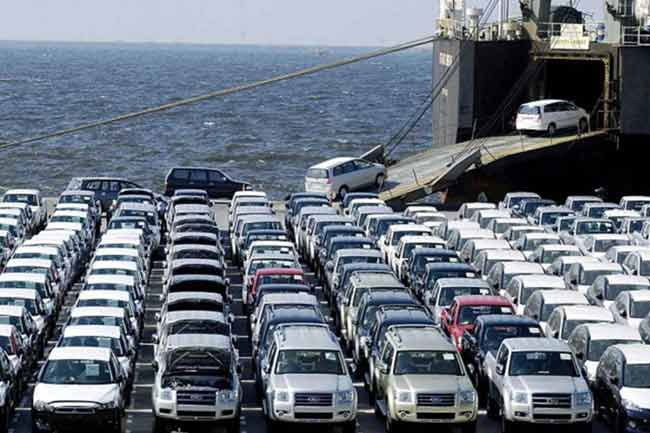
Speaking on the current state of the market, Dunusinghe said importers had recently brought in large quantities of vehicles, with the result that unsold stock was accumulating at sales yards across the country. The pattern, he argued, suggests permits are being issued on the basis of importer appetite rather than household and commercial requirement, even as the rupee comes under fresh pressure from the global oil shock.
The professor said vehicle imports should be permitted only according to genuine national requirements and not in a manner that allows excessive profit-making at high market prices, citing the post-liberalisation pricing spread that has emerged between landed cost and retail price. Unrestricted imports, he said, end up enabling stockpiling rather than serving real consumers.
Dunusinghe’s intervention comes against the backdrop of the government’s recent 50 percent surcharge tightening on vehicle imports, introduced after the liberalised window allowed a surge of arrivals to be channelled into yard stock. The surcharge framework has since been amended to close workarounds on VIN-, specification- and quantity-based exemptions and to apply to vehicles being held in bond.
Recurring as a critical voice on Sri Lanka’s external accounts and growth path, Dunusinghe last month flagged the external-shock risk to 2026 growth and has urged policy that protects reserves while the rupee remains under pressure. The Central Bank on Monday confirmed the rupee has weakened 4.8 percent year-to-date.
Central Bank Governor Dr. Nandalal Weerasinghe, at a separate evening media briefing on May 18, added a macroeconomic warning that closely tracked the economist’s case. Close to USD 600 million had already been spent on vehicle imports during the first three months of 2026, the Governor said, and if the current pace held for the rest of the year total vehicle import outlay could reach approximately USD 2.4 billion — higher than the USD 2 billion the country spent in 2025, which itself exceeded the Finance Ministry’s earlier projection of USD 1.5-1.7 billion. The Governor said the increase was generating additional Treasury revenue through taxes and duties, but acknowledged the Finance Ministry had projected lower 2026 imports and that current data indicated the year-end bill would overshoot.
Sources: Ada Derana — Dunusinghe, Ada Derana — CBSL Governor on USD 600 million Q1 imports.