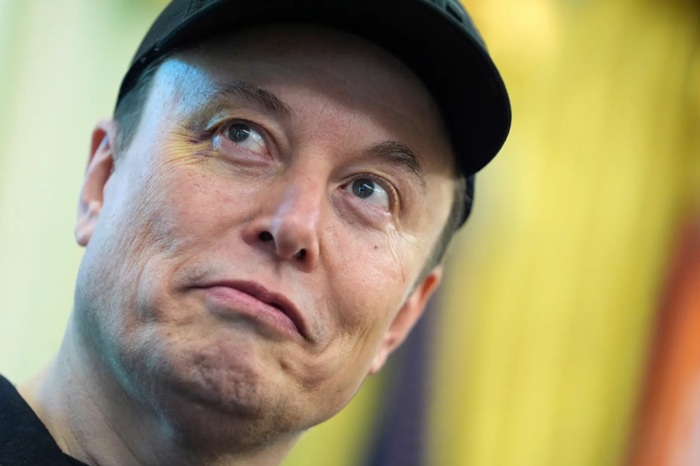
Billionaire entrepreneur Elon Musk has lost his lawsuit against OpenAI and its leadership after a US jury in Oakland, California, unanimously ruled against his claims. Jurors deliberated for less than two hours before concluding that Musk had filed the case too late under applicable legal time limits.
Musk had accused OpenAI chief executive Sam Altman, the company’s executives and partners of straying from its founding mission to develop artificial intelligence for the benefit of humanity, alleging the organisation had shifted toward a profit-driven model. He also challenged OpenAI’s commercial partnerships and corporate structure, including the for-profit subsidiary that powers ChatGPT.
The ruling does not address the merits of Musk’s allegations — only that the statute of limitations had run out by the time he brought the suit. Musk’s legal team has indicated it may appeal.
The decision is a significant legal victory for OpenAI as the company faces growing global scrutiny over the governance and direction of leading AI labs. Musk was an early backer and co-founder of OpenAI before departing the board in 2018; he has since launched his own competing AI venture, xAI, and remained a vocal critic of Altman’s leadership.
The case has been closely watched in the technology sector as a test of whether nonprofit-origin AI labs can be legally challenged for transitioning to commercial models. The Oakland verdict suggests that, at least under California state limitations periods, such challenges must be brought far closer to the time of the original corporate change.
The verdict adds to widening global scrutiny of AI governance. A BBC Panorama investigation recently named Sri Lanka-linked Facebook pages in a UK AI fake-content network, while Deloitte Sri Lanka has called for structured AI governance as enterprise adoption accelerates.
Source: Newswire.