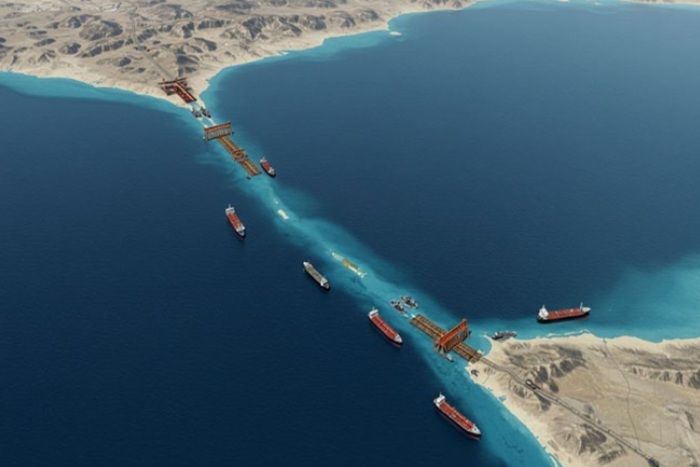
The closure of the Strait of Hormuz is the beginning of a systemic agrifood shock that could trigger a severe global food price crisis within six to 12 months, the Food and Agriculture Organization of the United Nations (FAO) has warned.
“The window for preventive action is closing quickly,” FAO Chief Economist Maximo Torero said in a podcast published on Wednesday. Decisions taken now by farmers and governments on fertiliser use, imports, financing and crop choices will determine whether the crisis materialises, he said.
The FAO Food Price Index, which tracks monthly changes in international prices of a basket of globally traded food commodities, rose for a third consecutive month in April. The agency said the shock is unfolding in stages: energy, then fertiliser, then seeds, then lower yields, then commodity prices, then food inflation.
Mitigating the impact will require shifting trade to alternative land and sea routes via the eastern Arabian Peninsula, western Saudi Arabia and the Red Sea, said David Laborde, Director of FAO’s Agrifood Economics Division. But those routes have limited capacity, making it critical for major producers to avoid export restrictions. The situation could worsen with the onset of El Niño, which is expected to disrupt rainfall patterns in several regions.
FAO’s short-term policy menu includes securing alternative corridors, avoiding bans on energy, fertiliser and input exports, exempting food aid from trade curbs, promoting cereal-legume intercropping to reduce nitrogen demand, activating social protection programmes, and avoiding blanket subsidies that create fiscal pressure.
The warning has direct exposure for Sri Lanka. Fertiliser landed prices for the next shipment have already moved from $650/MT to $800/MT, importers have warned that retail sugar, dhal and rice prices are climbing on the back of currency depreciation, and Hormuz disruption has now reached consumer markets as far away as Kenya. Torero said governments, international financial institutions, the private sector, UN agencies and research centres need to coordinate now to lift “absorption capacity” before the price wave fully lands.