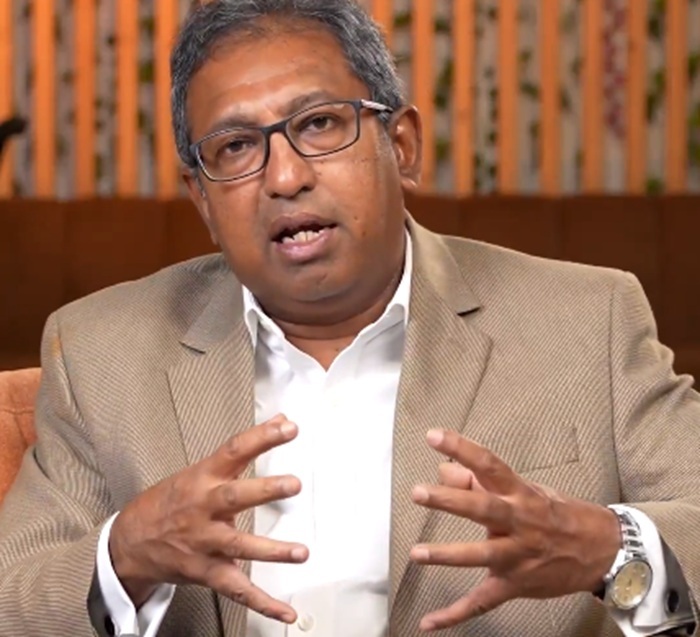
Opposition MP Harsha de Silva has accused the government and Ceylon Petroleum Corporation officials of misrepresenting remarks by HSBC CEO Georges Elhedery about oil prices, calling their response “utterly shameful.”
De Silva said the government wrongly claimed Elhedery had suggested Sri Lanka paid US$286 per barrel for crude oil, when the HSBC chief had in fact referred to the refined oil “door-to-door” price — a figure that includes insurance, shipping, and supply-chain costs on top of the benchmark crude price.
“The man clearly referred to refined oil and door-to-door price, never crude, as accused by the government,” de Silva wrote on X, adding that the government’s threat to “teach the man a lesson” had backfired.
Elhedery had spoken at a Hong Kong investment forum, noting that benchmark prices in Western markets often fail to reflect the actual costs faced by Asian buyers during the Middle East crisis. He cited $286 as the highest figure he had heard, specifically mentioning Sri Lanka.
The CPC had rejected the $286 claim, saying it had not paid that price for crude and threatening legal action against “misinformation.” However, the CPC subsequently confirmed that diesel procurement costs exceeded $286 per barrel — a narrower denial that aligned more closely with Elhedery’s original distinction between crude and refined product costs.
De Silva’s intervention adds another chapter to a dispute that has become a political flashpoint over fuel procurement transparency during the Middle East energy crisis.