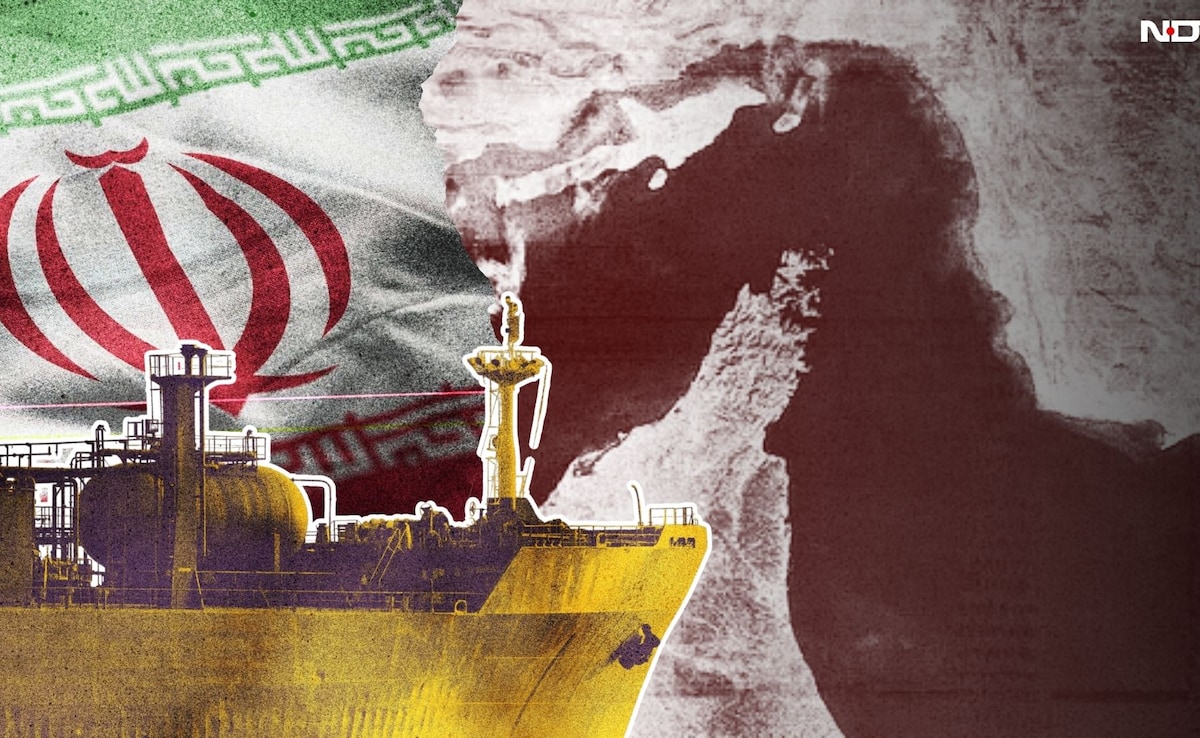
The effectiveness of the US naval blockade of Iranian ports came under scrutiny during its first full day of operation, with tracking data contradicting official American claims of total success.
According to BBC Verify, shipping data showed that at least four Iran-linked vessels — including two that had recently visited Iranian ports — crossed the Strait of Hormuz on Tuesday. A further three vessels not linked to Iran were also observed transiting the strait after the blockade came into effect at 10:00 ET (14:00 GMT) on Monday.
However, United States Central Command maintained that no ships had successfully breached the blockade within its first 24 hours, setting up a stark contradiction between official statements and independent tracking data.
Implications for Sri Lanka
The discrepancy matters directly for Sri Lanka’s energy outlook. If commercial shipping can still transit the strait despite the blockade, the impact on global fuel supply — and by extension Sri Lanka’s ongoing fuel crisis — may be less severe than initially feared when oil surged past $100 per barrel.
The blockade was imposed after US-Iran talks in Islamabad collapsed without a deal, with nuclear commitments emerging as the key sticking point. Saudi Arabia and NATO allies have both pushed back against the blockade’s scope and duration.
Meanwhile, President Trump has signalled that talks could resume within two days, raising hopes for a diplomatic resolution that could ease shipping disruptions.