Tens of millions of people could face hunger and starvation if fertilisers are not soon allowed through the Strait of Hormuz, the head of a UN task force averting a looming humanitarian crisis told AFP on Monday.
Jorge Moreira da Silva, executive director of the United Nations Office for Project Services (UNOPS) and leader of the task force, said in Paris that the window to act is closing. “We have a few weeks ahead of us to prevent what will likely be a massive humanitarian crisis,” he said. “We may witness a crisis that will force 45 million more people into hunger and starvation.”
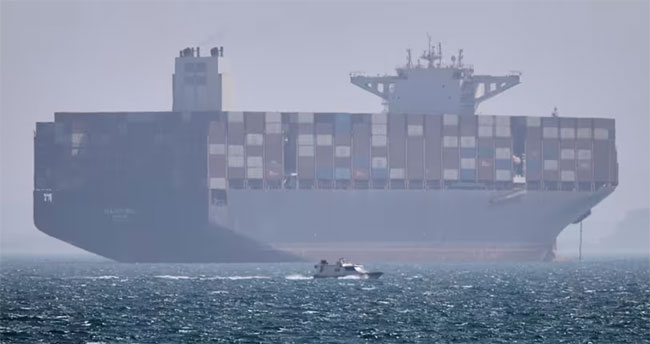
Iran has held the strategic waterway — through which a third of the world’s fertilisers normally pass — in a chokehold for months in retaliation for the war launched by the United States and Israel on February 28. The blockade has disrupted trade critical for farmers globally as planting seasons end in several African nations within weeks.
The UN secretary general created the task force in March to spearhead a mechanism allowing fertilisers and related raw materials such as ammonia, sulphur and urea through the strait. Moreira da Silva has met with more than 100 countries to rally support. A growing number back the plan, he said, but the United States, Iran, and Gulf fertiliser producers are not yet fully on board.
Moreira da Silva said the mechanism could be operational within seven days, requiring just five vessels per day. Even if the strait reopened now, it would take three to four months to return to normality. While food prices have not exploded yet, fertiliser costs have surged sharply.
“What’s missing is the political will,” he said. The crisis carries direct implications for Sri Lanka, where Yala planting and import dependencies leave farmers exposed to the same global supply shock.