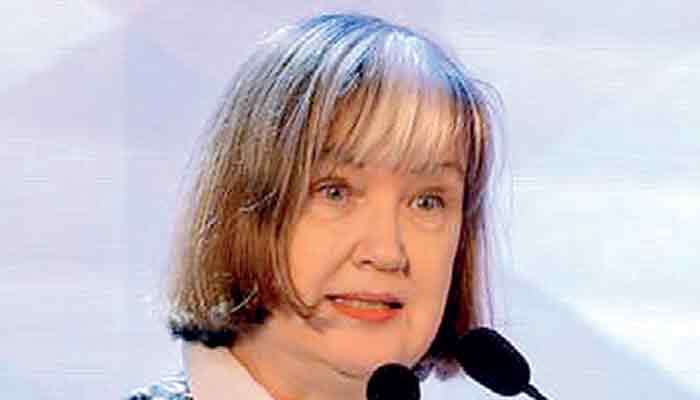
Unpaid care work, carried out largely by women, is both a social justice issue and a drag on Sri Lanka’s economic growth, the International Labour Organisation’s Country Director Joni Simpson said at a Colombo learning hub this week.
Addressing the South-4-Care Learning Hub, Simpson said care work remains “unseen, undervalued, and underinvested” despite being foundational to households and economies across the region.
Women in Sri Lanka shoulder the majority of unpaid care responsibilities, often at the expense of paid employment, she said. Many households lack access to affordable, accessible care services, including for persons with disabilities, further limiting women’s ability to participate in the labour market. “This is not only a gender issue — it’s a matter of social justice,” she said.
Simpson pointed to Sri Lanka’s shifting demographics as a growing pressure on the care system. About 18 percent of the population is now aged 60 and above, up from 12 percent a decade ago. The share of children has declined to around 21 percent, and the median age has risen to approximately 35 years. The trends are placing strain on healthcare, pensions and social services while shrinking the labour force.
She commended Sri Lanka’s recent ratification of ILO Convention 190 on workplace violence and harassment as a “significant milestone” that also applies to the care sector.
The ILO is supporting the government to develop a national plan on social care, working with the Ministries of Labour, Women and Child Affairs, and Rural Development. Simpson pointed to the organisation’s “5Rs framework” — recognise, reduce, redistribute, reward and represent — as a roadmap for reform.
The South-4-Care initiative, launched in 2025, brings together Sri Lanka, India, Pakistan, Nepal and Afghanistan to share policy innovations, financing models and social protection approaches for care systems across South Asia.