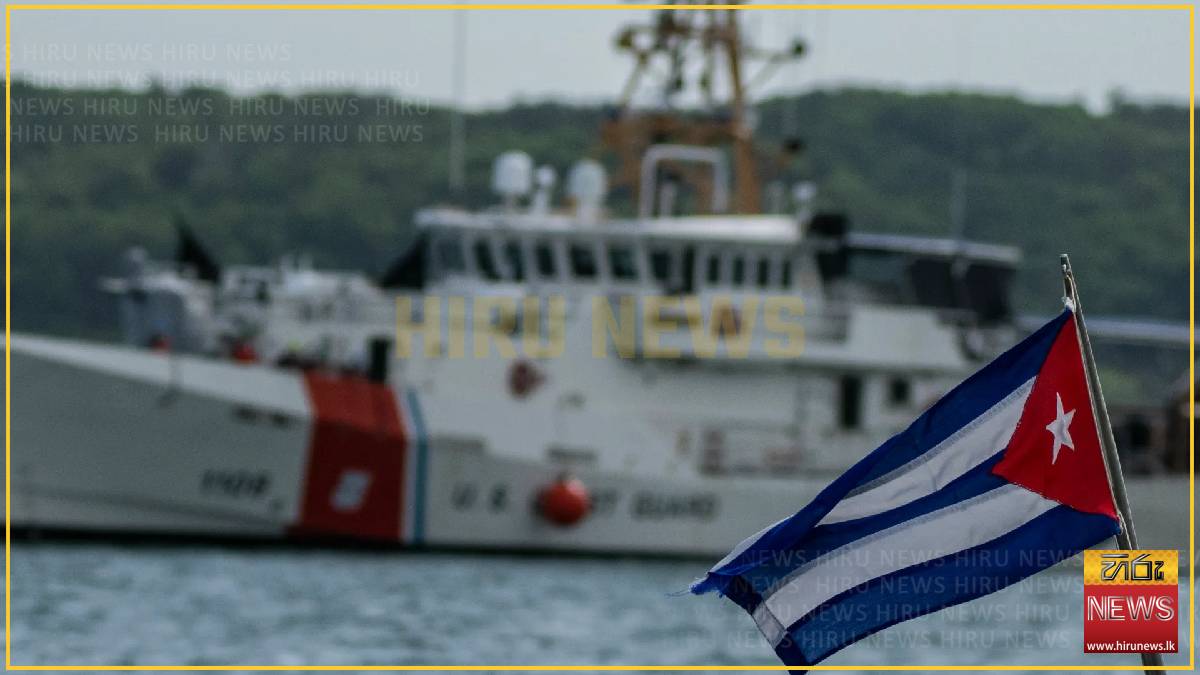
Iran’s military said on Thursday it had launched ballistic missiles, anti-ship cruise missiles and high-explosive drones at United States Navy ships in the Strait of Hormuz, in retaliation for what it called a US strike on an Iranian oil tanker in Iranian territorial waters. The exchange is the most significant direct military confrontation between the two countries since the April 8 ceasefire.
A statement from Iran’s Khatam al-Anbiya Central Headquarters said the United States had violated the ceasefire by targeting the tanker and by striking civilian areas on Qeshm Island “in cooperation with some regional countries,” which it did not name. The IRGC Navy said its response had caused “significant damage” to US vessels.
US Central Command (CENTCOM) said it had intercepted “unprovoked Iranian attacks” on three US Navy ships in the strait and responded with “self-defence strikes” on Iranian military facilities responsible. “No US assets were struck,” it added, saying it does not seek escalation but “remains positioned and ready to protect American forces.”
President Donald Trump told reporters at the White House that the ceasefire was holding despite the violence. “They trifled with us today. We blew them away,” Trump said, adding: “If it doesn’t get signed, they’re going to have a lot of pain.” Asked how close Washington was to a deal, he said it could happen “any day,” then added, “and it might not happen.”
Iranian state media reported defensive fire and explosions near western Tehran, Bandar Abbas and Minab in southern Iran. Qeshm Island, home to about 150,000 people and a major desalination plant, was the focal point of the exchange.
Pakistani Foreign Minister Ishaq Dar held a phone call with his Iranian counterpart Abbas Araghchi on Thursday. Pakistan, which is mediating the talks, said it expects “an agreement sooner rather than later,” declining to give a timeline. Direct Israel–Lebanon talks have been scheduled for May 14–15 in Washington.
The clashes came hours after a shipping data firm reported that Iran has set up a new agency, the Persian Gulf Strait Authority, to vet and tax vessels transiting the strait. Hundreds of commercial ships remain bottled up in the Persian Gulf as Iran has effectively closed the waterway and the US blockades Iranian ports — disruptions that have driven fuel prices sharply higher in Sri Lanka and across Asia.