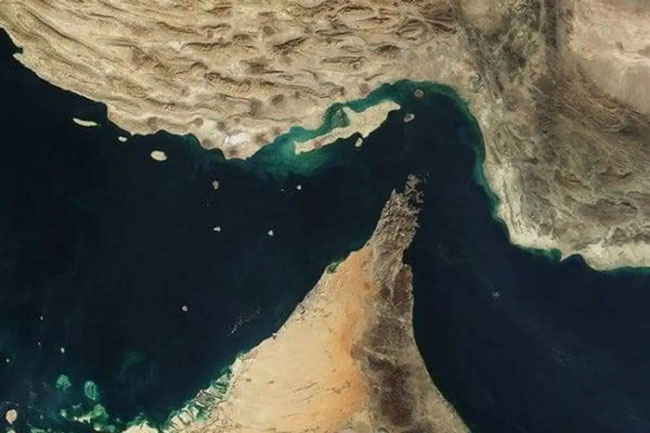
Iran has deposited the first revenues collected from tolls imposed on ships using the Strait of Hormuz into the Central Bank, the deputy speaker of Iran’s parliament Hamidreza Haji Babaei said on Wednesday.
Haji Babaei gave no details of the vessels, cargoes or amounts involved, the Tasnim News Agency reported. The BBC said it could not independently verify the claim.
Another senior Iranian MP, Alireza Salimi, separately told Tasnim: “I have heard from reliable sources that Iran has collected fees from ships passing through the Strait of Hormuz.” He said the quantum varied “depending on the type and amount of cargo and the level of risk they carry, and Iran determines how and to what extent these fees are collected. We determine the rules.”
Before the current US–Iran ceasefire, Tehran had limited passage to what it termed “friendly” countries and had spoken of levying tolls on transit. Iran’s embassy in India denied separate claims in late March that Tehran was charging vessels $2 million to pass through.
The confirmation of actual revenue moves the Hormuz regime from a legal and policy framework — set out in parliament’s 10-clause Hormuz law — into an active enforcement regime. US President Donald Trump has previously threatened ships that pay tolls to Iran to use the strait.
For Sri Lanka, Hormuz is the transit route for the bulk of its crude oil imports. Toll collection by Iran, alongside the US maritime interdictions of tankers in Indian Ocean waters, further complicates shipping cost calculations for Ceylon Petroleum Corporation procurement and insurance.
Source: Ada Derana (citing BBC/Tasnim).