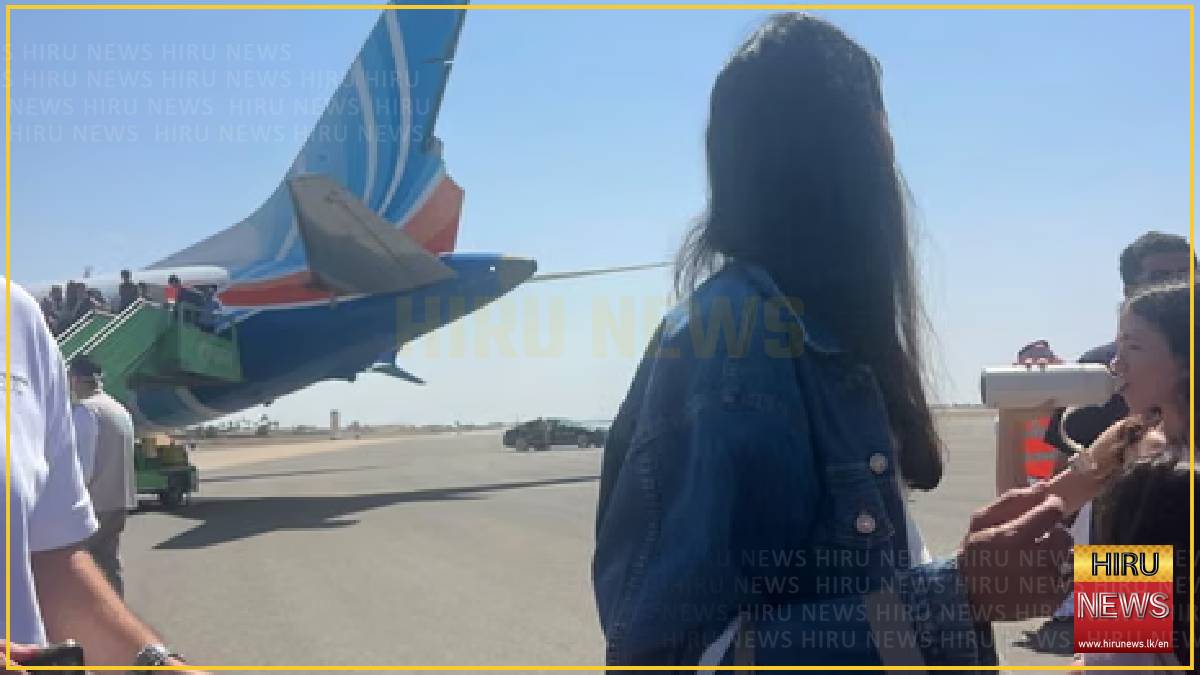
Iran’s approximately 70-member negotiating delegation, led by Parliament Speaker Mohammad Bagher Qalibaf and Foreign Minister Abbas Araqchi, has arrived in Islamabad for what Pakistan’s Prime Minister Shehbaz Sharif described as a “make-or-break phase” of peace talks with the United States.
The delegation landed Friday despite Tehran maintaining pre-conditions for substantive negotiations — including the unfreezing of Iranian assets and a commitment to a Lebanon ceasefire before discussions begin. US Vice President JD Vance is leading the American delegation.
Separately, President Donald Trump told reporters that the US will have the Strait of Hormuz “open fairly soon” but tempered expectations, acknowledging “it won’t be easy.” Trump said unnamed countries have offered to help but did not elaborate.
The Strait, which handles roughly 20% of global oil and LNG trade, has remained blockaded by Iran since the conflict escalated in early April, despite the fragile two-week ceasefire announced on April 8. Ship traffic remains stalled.
Israeli and Lebanese envoys are expected to hold separate talks in Washington on Tuesday, according to Reuters, adding another layer to the regional diplomacy.
For Sri Lanka, the Hormuz blockade has driven a fuel supply crisis that prompted emergency rationing, gas price hikes, and a no-confidence motion against the Energy Minister. Any concrete progress on reopening the strait would directly ease pressure on Sri Lanka’s energy supply chain.