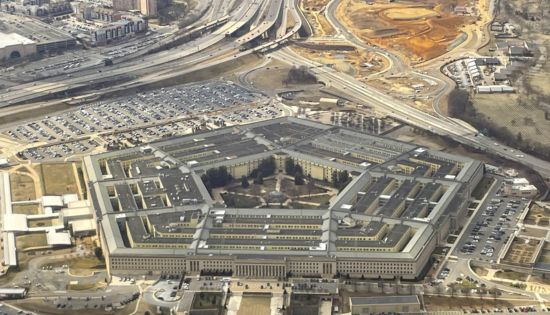
The US war against Iran has cost an estimated 25 billion US dollars so far, the Pentagon’s chief financial officer told Congress on Wednesday, marking the first publicly disclosed figure for the conflict, even as Defense Secretary Pete Hegseth used the same hearing to angrily reject Democratic suggestions the campaign had become a quagmire.
Jules Hurst III, the acting undersecretary of war for finances, gave the estimate at a House Armed Services Committee hearing. He said most of the spending had gone on munitions, with additional outlays on operating costs and equipment replacement.
The hearing was the first time Hegseth had faced lawmakers since the Trump administration launched the conflict on February 28. Democrats have contested the war as a costly conflict of choice waged without congressional approval, and Rep. John Garamendi of California called it a “quagmire” and a “political and economic disaster at every level.”
“You call it a quagmire, handing propaganda to our enemies? Shame on you for that statement,” Hegseth shot back, slamming “reckless, feckless and defeatist” Congressional Democrats. “Don’t say: ‘I support the troops on one hand, and then a two-month mission is a quagmire.’ Who are you cheering for here?”
The pushback came as a Reuters/Ipsos poll showed only 34 percent of Americans now approve of the conflict, down from 36 percent in mid-April and 38 percent in mid-March, with President Donald Trump’s wider popularity sliding alongside the war’s economic fallout.
The disclosed cost provides a baseline for the running fiscal weight of an open-ended military campaign that has reshaped Gulf shipping and global energy markets since it began. The Hormuz blockade has driven Brent crude above 90 dollars and forced Sri Lankan importers to pay record per-barrel premiums on diesel and crude shipments.
The 25 billion dollar figure does not include separate costs absorbed by allied governments or the broader fiscal impact through fuel-import shocks in countries such as Sri Lanka, where the war has fed inflation, driven up insurance premiums on Indian Ocean shipping and complicated IMF growth assumptions for the year.