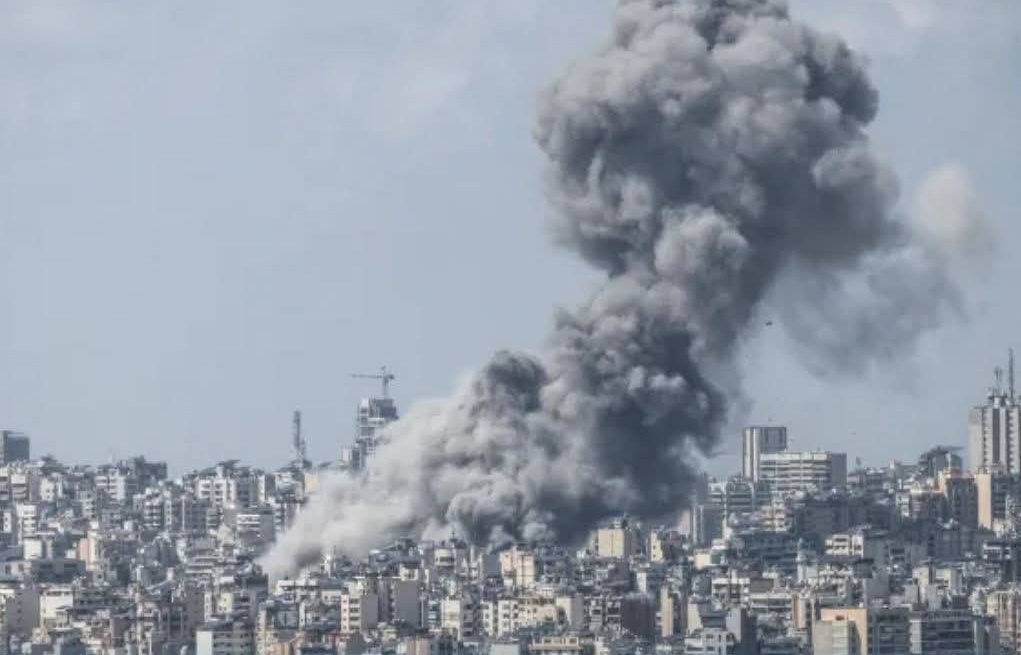
Lebanon has declared a national day of mourning after Israeli airstrikes killed at least 254 people and wounded more than 1,165 in a single day of bombardment, according to Lebanese authorities. The new toll nearly triples the 89 deaths reported on April 8 and makes it one of the deadliest days in the country in recent memory.
Prime Minister Nawaf Salam announced the government would mobilise “all of Lebanon’s political and diplomatic resources to stop the attacks,” describing the situation as an international emergency. Health Minister Rakan Nassereddine appealed to foreign governments for emergency medical assistance, warning that hospitals in the Bekaa Valley and southern Lebanon are overwhelmed.
Lebanon was deliberately excluded from the Pakistan-brokered US-Iran ceasefire announced on April 8. Prime Minister Benjamin Netanyahu confirmed that Israel’s operations against Hezbollah would continue regardless of the truce, and US Vice President JD Vance later said Washington “never made that promise” when asked about Lebanese coverage.
Iran has warned that peace talks would be “unreasonable” until the situation in Lebanon is addressed. Foreign Minister Abbas Araghchi told state media that Tehran “cannot have both” a ceasefire and a war being waged through Israel on its ally. Hezbollah fired its first rockets into northern Israel hours earlier, in what it called a response to Israeli violations.
Australia has publicly called for Lebanon to be included in the ceasefire framework. The escalation has rattled regional markets and cast fresh doubt on the fragile truce, with global oil prices surging and Sri Lanka’s fuel supply outlook entering another phase of uncertainty just days before Avurudu.